

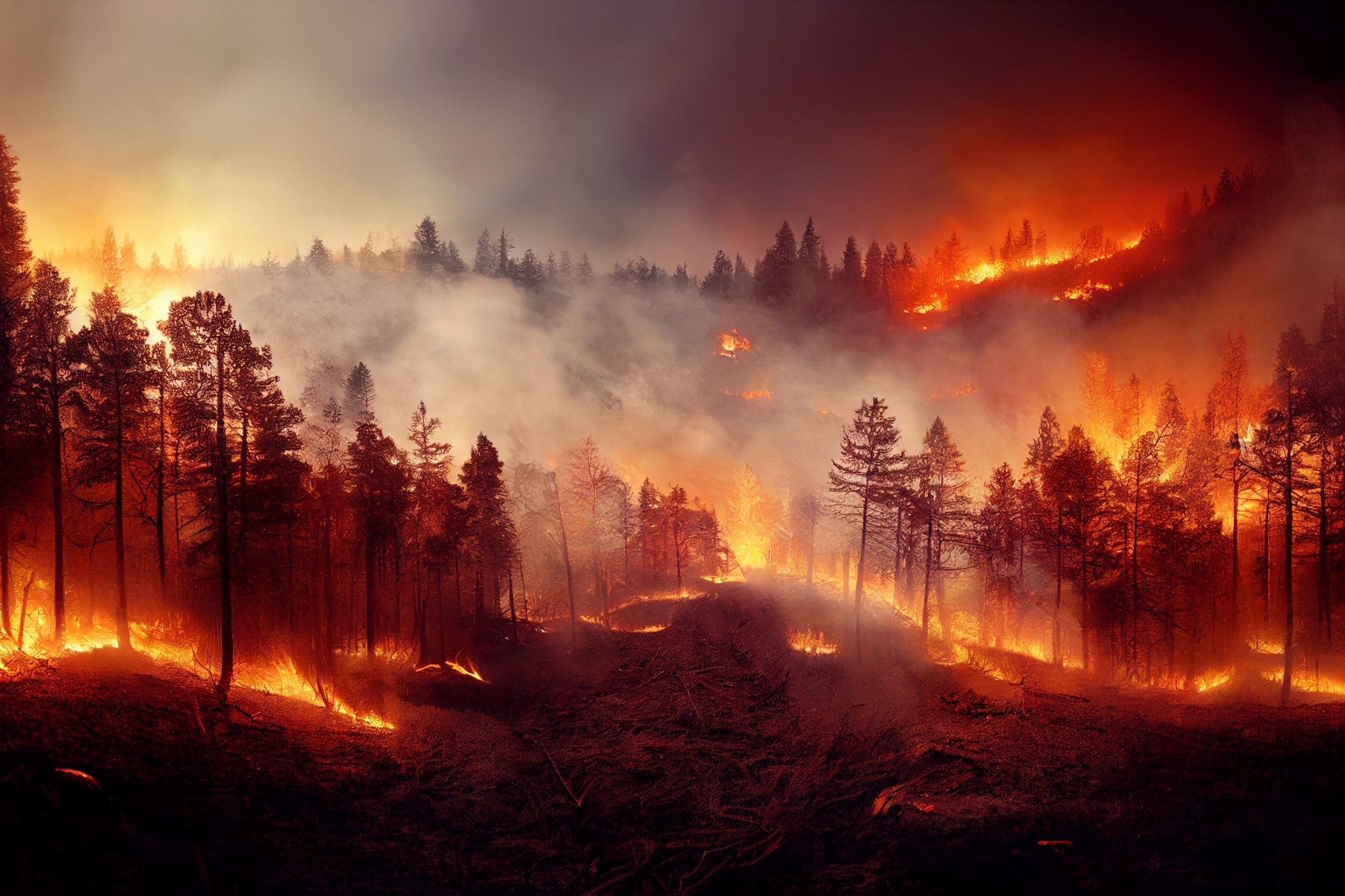
Experts directly link rising temperatures and declining rainfall to worsening wildfire conditions.
Climate change creates hotter, drier environments that fuel faster and more destructive fires across the continent.
Scientists warn these conditions will persist, stressing the urgent need for adaptive strategies.
Record-Breaking Fire Season in 2025
Europe faces its worst wildfire season on record in 2025.
Over one million hectares of land have burned within EU territory since January.
This devastated area exceeds the size of Corsica and quadruples last year’s figure.
More than 1,800 fires have ignited so far, releasing 38 million tonnes of CO₂.
These emissions worsen global warming, creating a destructive cycle of heat and fire.
Uneven Distribution Across Member States
Among the EU’s 27 member states, only five—Czech Republic, Estonia, Lithuania, Luxembourg, and Malta—remain fire-free.
Italy and Romania lead in reported cases, each registering more than 450 outbreaks.
Yet frequency does not equal devastation, as some nations face fewer but deadlier blazes.
Cyprus, with only three reported fires, endured catastrophic damage that scarred its landscapes.
Severe Impact in Spain and Portugal
Spain has lost more than 400,000 hectares of land since January, devastating rural regions.
Portugal has seen more than 260,000 hectares destroyed, equal to 3% of its land mass.
In Spain, the figure represents 0.8% of national territory.
The fires consumed forests, farmland, and habitats, creating long-term ecological and economic damage.
Residents in both nations face displacement, while firefighters work relentlessly against exhausting odds.
Firefighting Resources Under Pressure
Held, a wildfire expert, warns that Europe’s firefighting system now nears breaking point.
Teams lack sufficient manpower, equipment, and time to manage increasing fire severity.
“Firefighters need safer and more efficient conditions,” Held stressed in recent remarks.
Authorities must improve landscape resilience so crews can act effectively when flames erupt.
Building Resilient Landscapes
Experts recommend reducing fuel loads by clearing vegetation, promoting grazing, or applying controlled burns.
These strategies aim to prevent fire spread and minimize uncontrollable infernos.
Other proposals involve agroforestry systems that merge crop production with tree planting.
Such integration enhances biodiversity, reduces fire risk, and sustains rural economies simultaneously.
Landscape preparation represents the only sustainable path to long-term protection.
A Growing Challenge for the Future
Scientists agree extreme fire seasons will become more frequent as the climate warms.
Without structural changes, Europe faces mounting destruction, loss of biodiversity, and human displacement.
Communities must adapt quickly or suffer worsening consequences.
Wildfires, once seasonal threats, now define the new reality of southern and central Europe.