

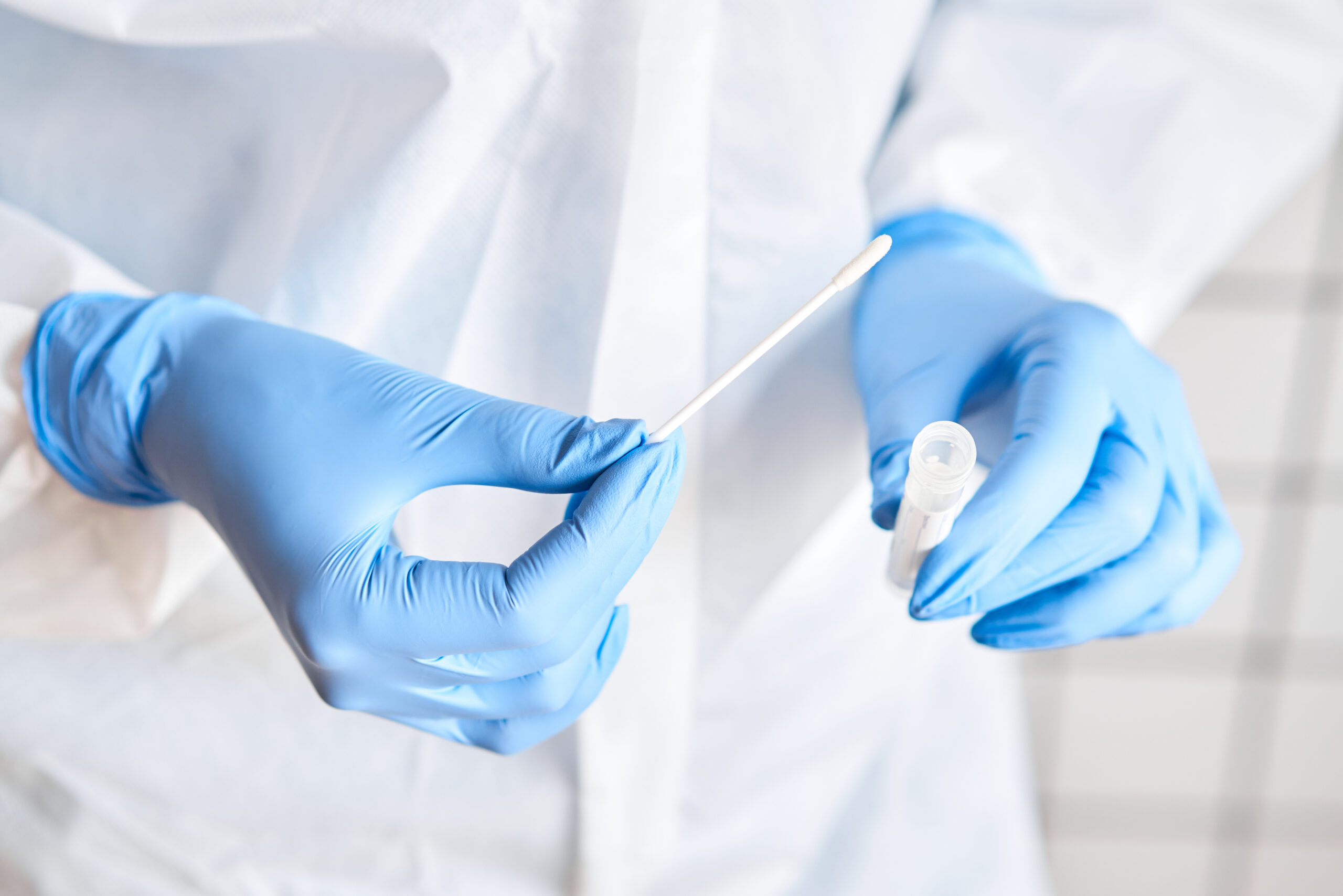
A simple cheek swab could transform the early detection of arrhythmogenic cardiomyopathy (ACM), a genetic heart condition responsible for more than 10% of sudden cardiac deaths in children, according to new research presented at the European Society of Cardiology congress in Madrid.
ACM is caused by abnormalities in proteins between heart cells, disrupting both the structure and electrical activity of the heart. Often striking without warning, it can cause palpitations, fainting, breathlessness, abnormal rhythms, and in severe cases, sudden death.
Researchers at Great Ormond Street Hospital and City St George’s, University of London have shown that the same protein abnormalities can be detected in cells taken from the lining of the cheek. They trialled a two-minute swab test in 51 children aged between three months and 18 years who had a known genetic risk of ACM. Over a seven-year period, 10 developed the condition — and in eight of those cases, cheek swabs picked up abnormalities years before other tests.
The team also tested 21 children with no known risk of ACM. Five showed abnormal results, which later aligned with changes linked to the disease. Overall, the swab could detect signs up to five years before diagnosis by traditional scans and tests.
“This has the potential to provide accurate and timely diagnosis of ACM, which could ultimately save lives,” said Dr Angeliki Asimaki, a cardiac morphology specialist at City St George’s. “Our test provides a window into microscopic changes happening in the heart, and it is totally risk-free and non-invasive.”
The researchers are now developing home swab kits, allowing parents to collect samples and post them for analysis. For children, the test offers a far less intimidating option compared to blood tests or frequent hospital visits.
Dr Sonya Babu-Narayan of the British Heart Foundation, which funded the research, said: “This kind of simple, pain-free cheek swab test could identify children in the early stages of ACM who need extra care, or provide reassurance to at-risk children and their families with normal test results.”
In the UK, around one in 10,000 people are thought to live with ACM. With this new approach, doctors hope to catch it earlier — and save young lives that might otherwise be at risk without warning.