

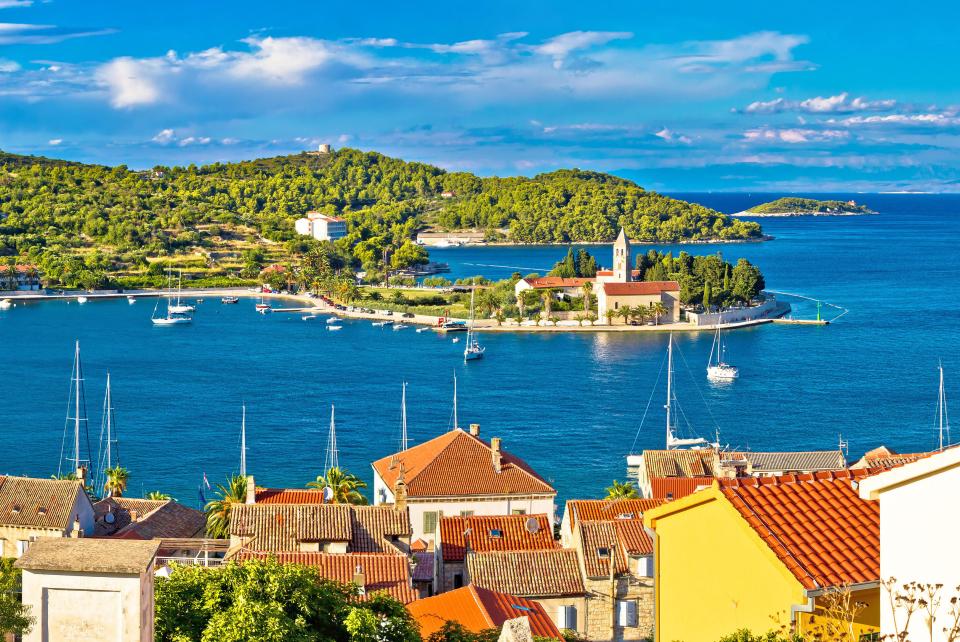
Travel experts have named a little-known European island as the top holiday destination for 2026. Tucked away from major tourist routes, the island offers pristine beaches, rugged cliffs, and peaceful villages that promise an escape from crowded resorts. Its appeal lies in serenity, natural beauty, and a sense of discovery.
The island’s popularity is expected to surge next year after a recent survey highlighted it as a “hidden gem” in European travel. According to experts, it remains under the radar for most British travelers, making it an ideal spot for those seeking tranquility and authenticity.
Tourism boards emphasize that the island combines natural landscapes with cultural heritage. Visitors can explore traditional villages, local markets, and centuries-old architecture, alongside hiking trails, secluded coves, and crystal-clear waters. This combination of experiences is increasingly appealing to travelers who want more than the typical beach vacation.
Travel advisors note that the island is particularly attractive for sustainable tourism. Its small-scale hotels, eco-lodges, and limited commercial development allow visitors to enjoy the area without contributing to overcrowding or environmental damage. This focus on low-impact travel resonates strongly with modern tourists who prioritize responsible holidays.
British travelers have historically favored destinations such as Spain, Greece, and Italy, but rising interest in unique experiences is shifting patterns. The survey suggests that travelers are now looking for destinations that provide peace, fewer crowds, and opportunities to connect with nature. The island fits this trend perfectly.
Accessibility is another draw. While remote, the island is reachable via a short flight from major European hubs, followed by local transport that maintains the sense of seclusion. Tourism authorities stress that careful management ensures that visitors can enjoy the island without overwhelming local communities or infrastructure.
The timing of the recommendation is significant. With travel patterns evolving post-pandemic, more holidaymakers are seeking locations that allow for relaxation and personal space. Remote islands offer the chance to unplug, explore at one’s own pace, and enjoy landscapes untouched by mass tourism.
Experts also highlight the island’s culinary scene, which focuses on local ingredients and traditional recipes. Small family-run restaurants and cafes provide an authentic taste of the region, offering seafood, local produce, and unique flavors that differ from typical tourist fare. Food tourism is increasingly shaping holiday choices, and this island’s offerings add to its growing appeal.
Accommodation options, though limited, are praised for quality and character. From charming boutique hotels to renovated farmhouses and eco-lodges, visitors can enjoy comfort while staying in settings that reflect the island’s culture and heritage. Booking early is advised, as availability is constrained by the island’s small size and sustainable approach to tourism.
The island has also been recognized for its outdoor activities. Hikes along coastal cliffs, guided nature walks, kayaking, and birdwatching are among the experiences attracting adventurous travelers. Photographers and nature enthusiasts, in particular, are drawn to its dramatic landscapes and quiet, unspoiled corners.
Travel publications have hailed the island as a “must-visit for 2026,” emphasizing its combination of natural beauty, cultural richness, and exclusivity. Its designation as a top holiday spot underscores the growing trend toward discovering destinations off the beaten path, where visitors can enjoy peace and authenticity.
For British tourists seeking a break from traditional resorts, this European island promises a rare combination: serenity, natural wonders, and a unique travel experience. As it gains recognition, travelers are encouraged to plan ahead to experience its charm before it becomes more widely known.