

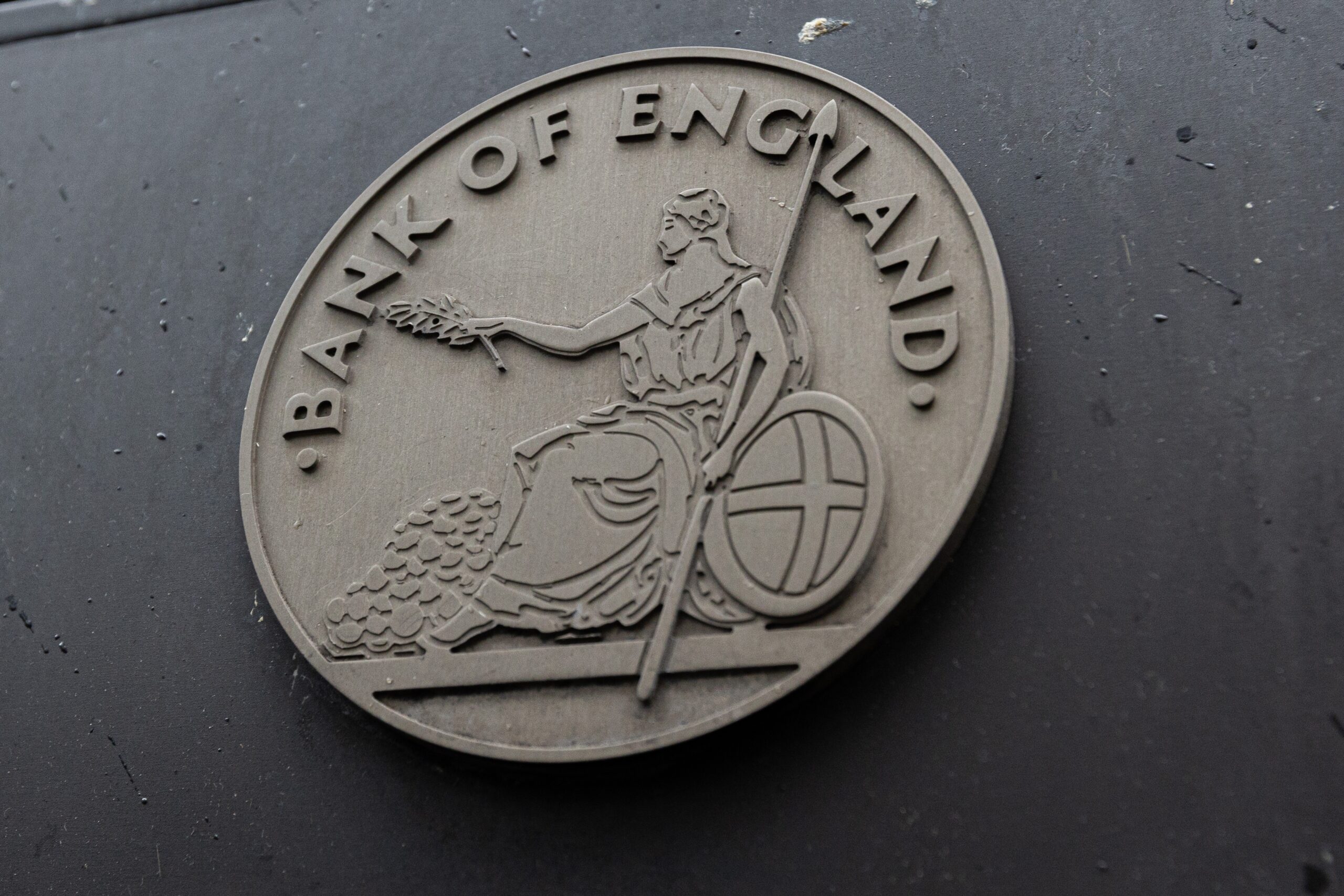
Former Bank of England policymakers have called on Andrew Bailey to scale back or halt the Bank’s bond-selling programme, warning that it is worsening borrowing costs for the government. Britain’s long-term borrowing rates are at their highest level in 27 years, adding pressure on chancellor Rachel Reeves ahead of her autumn budget on 26 November.
The Bank has attributed much of the rise to global pressures linked to Donald Trump’s trade war and his clashes with the US Federal Reserve. But officials also acknowledge that its £100bn quantitative tightening (QT) programme – unwinding crisis-era bond purchases – is contributing.
Michael Saunders, a former MPC member, said markets were too weak for aggressive disposals: “A higher pace of active sales might have an undesirable effect on pushing up yields further.” Another ex-member described continuing sales at the current rate as “tone deaf.”
The Bank still holds about £560bn of UK government bonds, having already shed £100bn in the past year at a loss. Investors expect a reduction in the QT programme to around £70bn for the coming year, though that would mean maintaining current sale levels due to fewer gilts maturing.
Sushil Wadhwani, another former MPC member, urged a complete halt to active sales, saying passive QT would better protect market confidence. Andrew Sentance supported a modest slowdown but cautioned that the Bank’s duty is to fight inflation, not ease the Treasury’s burden.
Thinktank IPPR estimates that stopping active sales could save the Treasury more than £10bn annually. However, retaining the bonds carries costs, as the Bank pays more interest on reserves than it earns from its gilt holdings. Some economists have proposed taxing bank windfalls or cutting interest paid on commercial reserves to offset the gap.