

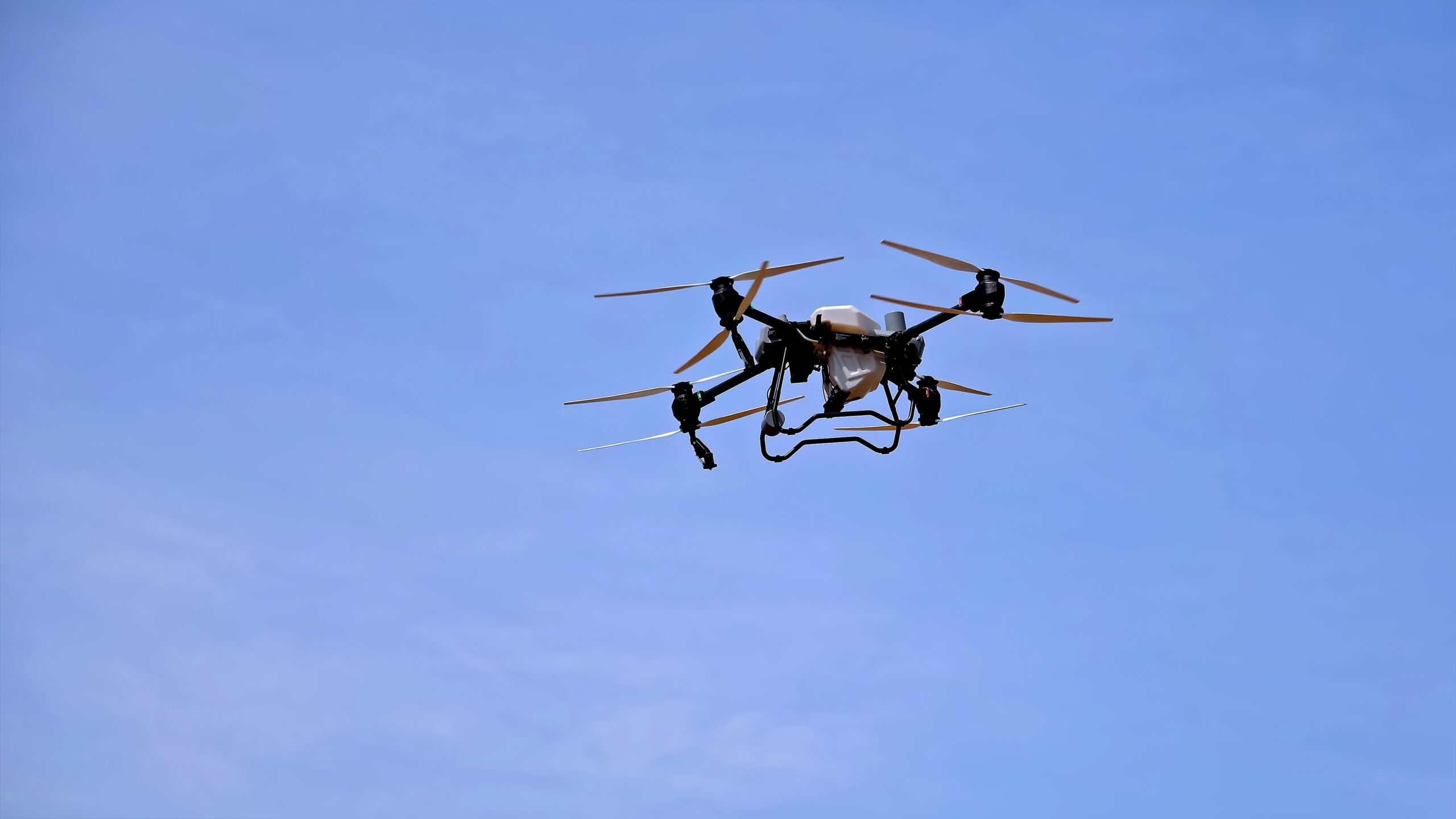
The European Union is considering the creation of a “drone wall” to secure its eastern border after Russian drones entered Polish airspace. The proposed system, backed by Baltic states and referenced by European Commission President Ursula von der Leyen, would serve as a multilayered defence network against unmanned aerial threats.
At the core of the project is Eirshield, an anti-drone platform jointly developed by Estonia’s DefSecIntel and Latvia’s Origin Robotics. The system combines radars, cameras, and radio-frequency detectors with artificial intelligence to identify, track, and neutralise hostile drones. Depending on the threat, drones can be jammed, intercepted with counter-drones, or in wartime, destroyed with attached weapon systems. The cost per interception is in the tens of thousands of euros—far cheaper than conventional missile defences.
Eirshield has already been tested in Ukraine, where it is used against Shahed drones, but adapting it to NATO standards for peacetime operations will require changes. Options may include capturing drones with nets or deploying small interceptor drones to neutralise them without explosions.
While interest in the technology is rising, EU funding remains a challenge. A joint Estonian-Lithuanian request for €12 million in Commission funding was rejected in August. Despite this, Estonia, Latvia, and Lithuania have each committed millions from national budgets to advance the project.
Proponents argue that the drone wall would complement, not replace, traditional missile defence systems. Demonstrations are planned in the coming weeks, but much will depend on whether European governments agree on a unified strategy and sustainable funding.