

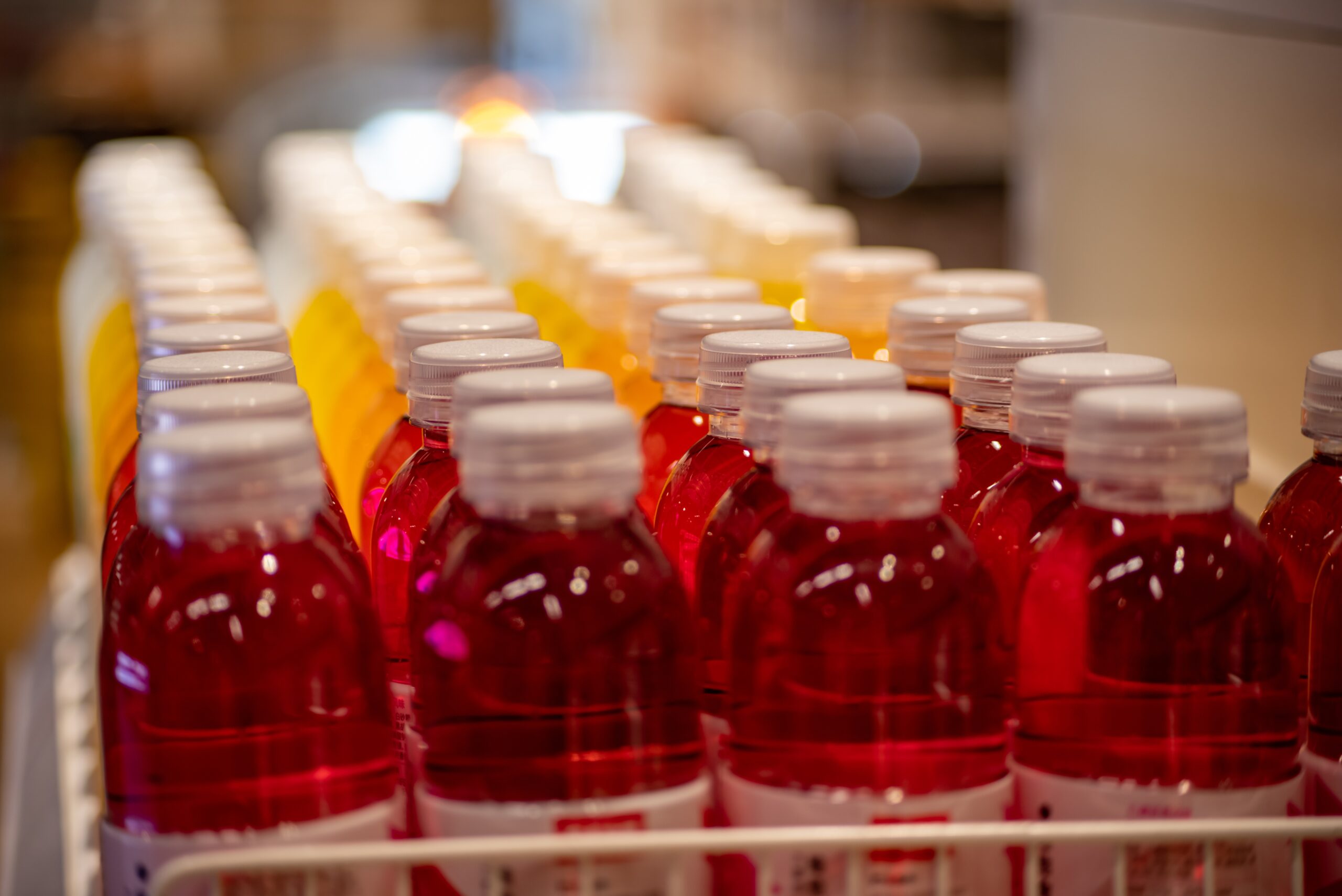
Stroll through a supermarket in 2025 and you’ll see cans promising “calm” and “focus” stacked high in pastel colours. These are functional drinks: beverages infused with trendy ingredients such as ashwagandha, lion’s mane mushrooms, L-theanine, and magnesium, all marketed as natural mood-boosters or stress relievers.
The global market is booming, expected to hit €212bn by 2030, fuelled by a wider move away from alcohol and toward wellness culture. For many young consumers, they seem like an easy, stylish fix for life’s pressures.
But experts caution that the science behind them is less robust than the branding suggests. “Ashwagandha and L-theanine do show some promising effects in small trials,” said dietitian Nicolle Cucco, “but results vary, and magnesium only helps if you’re deficient.”
That hasn’t stopped companies like TRIP, which rose to prominence with CBD-infused sparkling drinks, from leaning on bold claims. In July, one of its ads was banned in the UK for implying its cucumber and mint flavour could reduce stress and anxiety — claims not authorised by regulators.
The reality is more complicated. These drinks may work partly because of placebo: if people believe they’ll feel calmer, they often do. But that doesn’t make them suitable substitutes for evidence-based treatments.
“The placebo effect is powerful, especially for subjective experiences like stress,” Cucco explained. “But over-promising risks consumer disillusionment.”
With influencer marketing pushing functional drinks into the mainstream, dietitians stress that consumers should view them as occasional complements to a balanced lifestyle, not miracle cures.
“They’re unlikely to cause harm — other than to your wallet — but they’re not treatments for serious conditions like anxiety or ADHD,” Cucco added. “Pause, research, and understand what you’re actually drinking.”