

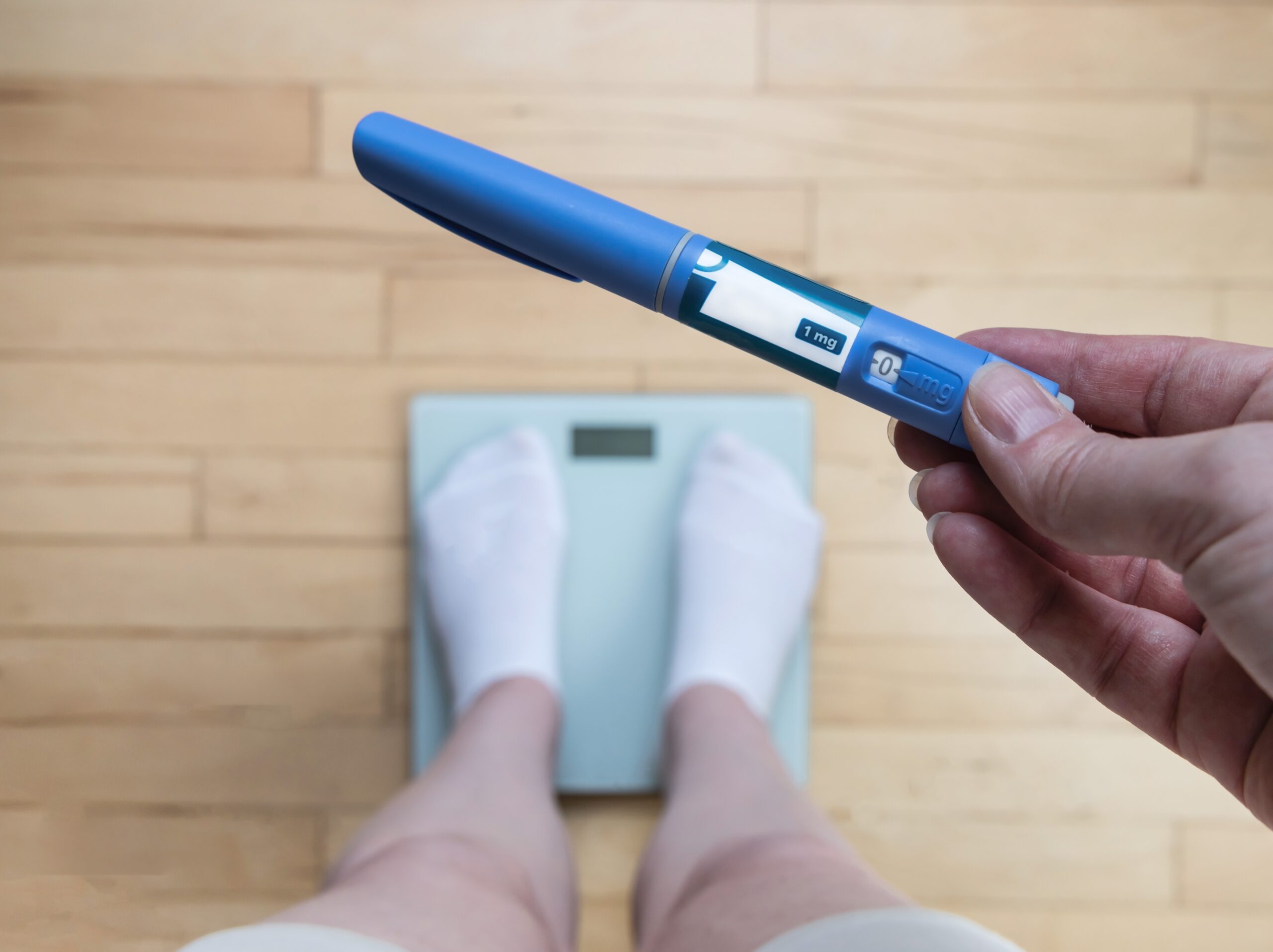
The weight-loss drug semaglutide can significantly reduce the risk of heart attack or stroke even when users lose little or no weight, according to a major global study published in The Lancet.
Researchers from University College London analysed data from 17,604 adults aged 45 and older who were overweight or obese. Half received weekly semaglutide injections, while the rest were given a placebo. The drug lowered the risk of major cardiac events — including heart disease deaths, heart attacks, and strokes — by 20%, regardless of how much weight participants lost.
Lead author Prof John Deanfield said the findings suggest semaglutide benefits the heart through multiple mechanisms, not just weight loss. “Abdominal fat is particularly harmful for cardiovascular health,” he explained. “While shrinking waistlines accounted for about one-third of the benefit, two-thirds remain unexplained, implying direct effects on the heart and ageing processes.”
The study also found that people with only modest excess weight — even those with a BMI of 27, the UK adult average — experienced similar cardiovascular benefits as those with higher BMIs.
Experts say the findings challenge the idea that such drugs should be reserved for severely obese patients, but stress that potential side-effects must be considered before expanding access.