

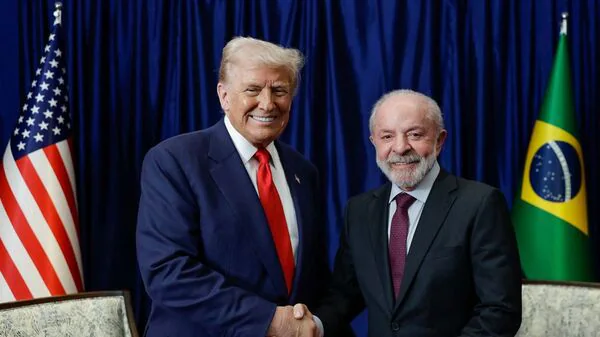
The United States Senate has voted to rescind the 50% tariffs placed on Brazilian imports, including coffee, beef, and other goods. The measure passed narrowly with a 52-48 vote, as five Republican senators joined all Democrats in supporting the repeal. The decision marks a rare moment of bipartisan cooperation on trade policy and signals a potential easing of U.S.–Brazil economic tensions.
Lawmakers backing the resolution said that ending the Brazil import tariffs will help reduce costs for American families and small businesses. By reversing the previous administration’s trade barriers, the Senate aims to promote fairer market competition and restore stable trade flows between the two countries.
Economists have noted that the tariffs had driven up prices for imported goods and contributed to inflation in certain sectors. Coffee importers, restaurant owners, and food retailers are among those expected to benefit from the new measure. Lower tariffs are likely to make everyday items more affordable and strengthen supply chains that rely on Brazilian exports.
The bipartisan nature of the vote drew particular attention. In an increasingly divided Congress, the cooperation across party lines was seen as a sign that economic pragmatism can overcome political polarization when consumer welfare is at stake. Several senators emphasized that fair trade policies are key to maintaining U.S. competitiveness while ensuring stable prices.
While the Senate’s approval is a significant milestone, the measure still faces hurdles in the House of Representatives. Analysts say the outcome will depend on how lawmakers balance trade reform with domestic economic concerns. If approved by both chambers, the decision would formally end the tariffs and reset trade relations with Brazil.
The move also carries diplomatic importance. Brazil is one of Latin America’s largest economies and a major trading partner of the United States. Rebuilding trust through tariff reductions could open the door to broader cooperation on agriculture, energy, and environmental initiatives.
Markets reacted positively to the Senate decision, viewing it as a sign of more predictable trade conditions. Agricultural groups and importers welcomed the result, noting that it supports supply stability and strengthens bilateral ties.
Overall, the bipartisan vote to roll back Brazil import tariffs represents a meaningful step toward lowering costs for U.S. consumers and restoring confidence in cross-border trade. It highlights a rare moment of unity in Congress and underscores how economic priorities can bridge political divides for the public good.