

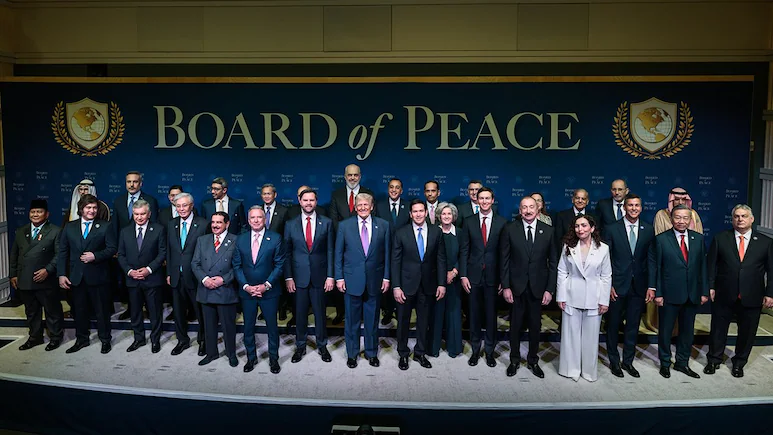
The Board of Peace initiative has attracted international attention, with multiple countries pledging support for humanitarian, stabilization, and reconstruction efforts abroad. The program reflects growing global engagement on pressing humanitarian issues.
Officials involved in the initiative said the pledges cover funding, technical assistance, and logistical support to regions affected by conflict and natural disasters. Participating nations emphasized the importance of cooperation in promoting peace and rebuilding communities.
Leaders from governments and international organizations highlighted that the initiative is designed to address both immediate needs and long-term recovery. Aid will include food, medical care, shelter, and infrastructure rebuilding to help vulnerable populations regain stability.
Experts noted that the global participation demonstrates a shared commitment to humanitarian principles and multilateral collaboration. By pooling resources and expertise, the initiative can respond more effectively to crises and support sustainable recovery efforts.
The Board of Peace has already coordinated with local authorities and humanitarian agencies to identify priority areas for aid. This ensures that funding and resources are directed to communities most in need and that reconstruction projects are efficiently implemented.
International partners emphasized that engagement in the initiative not only provides relief but also fosters diplomatic cooperation. Countries working together on humanitarian support can strengthen political ties and build trust in international forums.
Humanitarian groups welcomed the pledges, noting that coordinated international action is crucial to address complex crises. The initiative aims to reduce delays, avoid duplication of effort, and maximize the impact of aid in affected regions.
Officials said the Board of Peace program also focuses on transparency and accountability. Detailed reporting and monitoring mechanisms will track how funds and resources are allocated, ensuring that international support reaches intended beneficiaries.
The initiative reflects a broader trend of global collaboration in addressing humanitarian challenges. By uniting countries around shared goals, the Board of Peace seeks to improve outcomes for displaced populations, rebuild essential infrastructure, and promote long-term stability.
Analysts said the program could serve as a model for future international humanitarian efforts. Coordinated strategies, shared funding, and combined expertise help deliver aid more effectively and provide measurable benefits for communities in need.
The Board of Peace initiative has signaled that international humanitarian support is not only a moral responsibility but also a strategic approach to fostering global stability. By investing in reconstruction and relief, participating nations demonstrate leadership in addressing urgent world issues.
Officials plan to release regular updates on the initiative’s progress, including the impact of pledged resources and reconstruction milestones. This reporting aims to ensure continued engagement and accountability from all participating partners.
The program highlights the potential of global collaboration to respond to crises, rebuild affected communities, and support long-term peace. As countries continue to contribute funding, expertise, and logistical support, the Board of Peace initiative is expected to strengthen international humanitarian outcomes worldwide.