

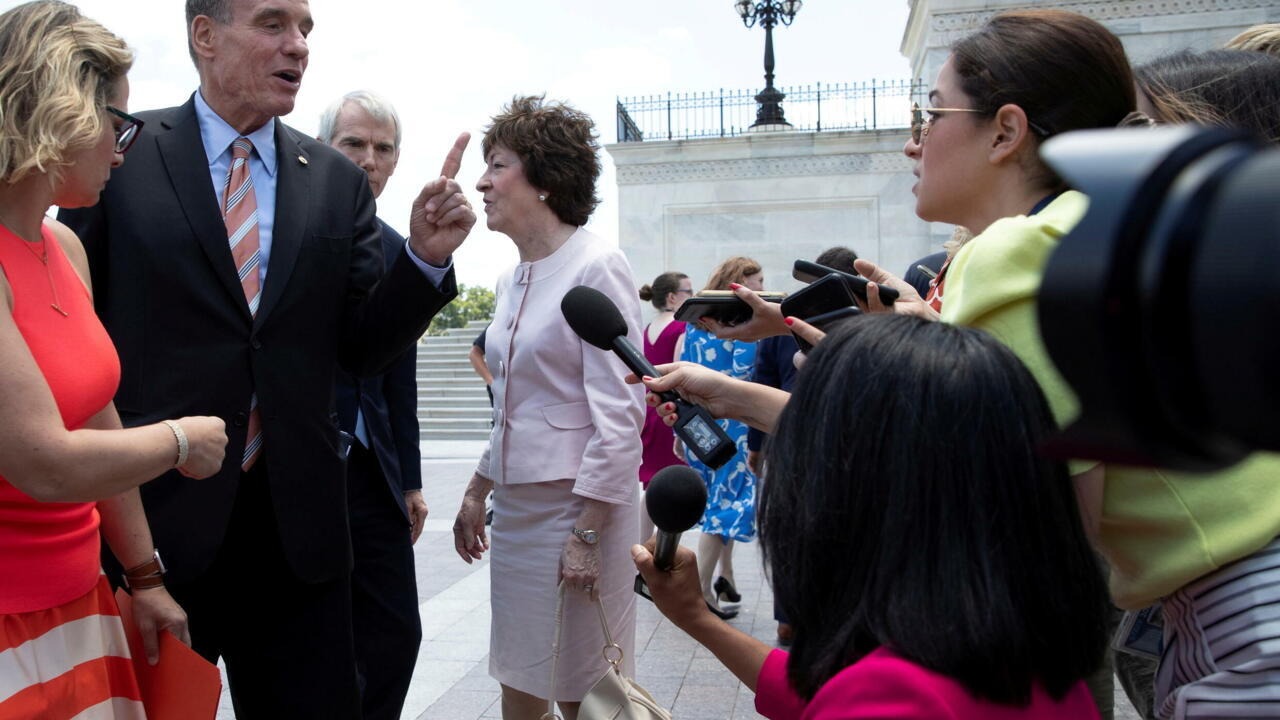
A new bipartisan infrastructure bill has advanced in Congress after passing a key committee vote, demonstrating strong support from both parties. The legislation focuses on modernizing transportation systems and expanding broadband access across the United States.
Lawmakers have emphasized that the bill is a critical step in upgrading aging roads, bridges, and public transit networks. By investing in infrastructure, the initiative aims to improve safety, efficiency, and connectivity for millions of Americans. The expansion of broadband is also a key element, designed to provide reliable internet access to underserved communities.
The bill has garnered attention for its cross-party backing, signaling a rare moment of cooperation in a politically divided environment. Proponents argue that the legislation will create jobs, stimulate economic growth, and strengthen the nation’s competitiveness in the global market.
Committee members highlighted that modern infrastructure is essential for addressing long-term economic and social challenges. Improved transportation networks reduce travel times, lower logistics costs, and support local businesses, while expanded broadband access promotes education, telehealth, and remote work opportunities.
The legislation outlines funding for a variety of projects, including highway repairs, bridge reconstruction, public transit improvements, and the deployment of high-speed internet in rural and underserved areas. Officials say that this comprehensive approach ensures both immediate benefits and long-term economic impact.
Economic analysts have noted that infrastructure investment can generate significant returns. Every dollar spent on transportation and broadband improvements is expected to boost productivity, increase efficiency, and enhance quality of life for citizens. The bipartisan nature of the bill may also improve its chances of passing in the full Congress.
Lawmakers from both parties have praised the bill as a practical solution to pressing infrastructure needs. Supporters believe that prioritizing tangible projects like roads, bridges, and broadband expansion can unite policymakers around common goals, despite broader political disagreements.
The bill’s passage through the committee paves the way for further debate and potential amendments in the House and Senate. Observers say that timely action is critical, as delayed infrastructure investments can result in higher repair costs and missed economic opportunities.
In addition to economic benefits, the bill addresses environmental and sustainability concerns. Funding is expected to support greener transportation solutions, such as electric vehicle infrastructure, energy-efficient public transit, and improved stormwater management systems. This approach aligns with broader efforts to reduce emissions and promote resilient infrastructure.
Community leaders and business groups have welcomed the legislation, noting its potential to improve connectivity and create jobs across urban and rural areas. Expanded broadband access, in particular, is seen as a transformative factor for education, healthcare, and small business growth in underserved regions.
Overall, the advancement of the bipartisan infrastructure bill represents a significant step toward modernizing U.S. infrastructure and bridging digital divides. With strong cross-party support, the legislation is poised to deliver long-term benefits for transportation, broadband, and the broader economy, reflecting a shared commitment to building a more connected and resilient nation.