

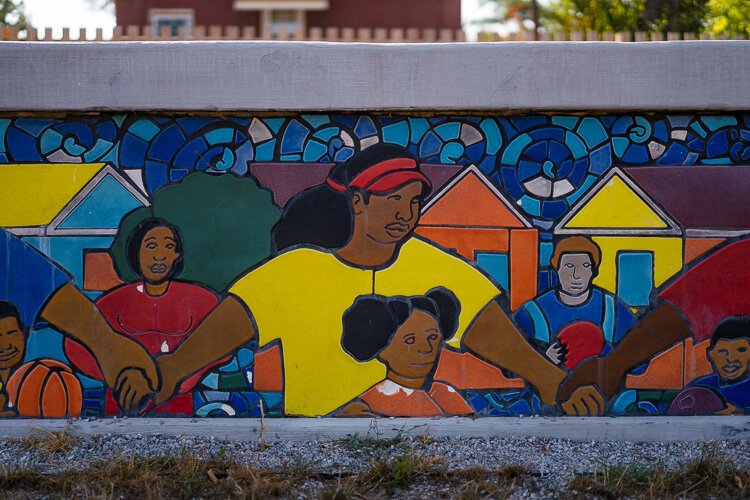
A community art project in Detroit is transforming empty lots into lively spaces, creating new opportunities for local engagement and safety. This grassroots initiative has turned neglected areas into colorful, creative hubs that residents proudly maintain.
Volunteers and local artists have collaborated to paint murals, build small installations, and organize outdoor workshops. The effort has not only beautified the neighborhoods but also strengthened connections among residents. People of all ages participate, sharing ideas and skills while building a sense of ownership in their community.
Crime rates in the areas surrounding these projects have seen a noticeable decline. Local leaders report fewer instances of vandalism and theft, attributing the improvement to the increased presence of residents and organized activities. The project’s success shows how art can play a vital role in urban safety and cohesion.
The initiative also emphasizes sustainability. Community members maintain gardens, use recycled materials for art projects, and host seasonal events to keep the spaces active year-round. These practices create an ongoing cycle of engagement and care, helping ensure the long-term success of the project.
Local schools have joined the program, bringing students to the art sites for workshops and collaborative projects. Young participants learn about design, teamwork, and environmental stewardship while contributing to the neighborhood’s transformation. This educational component encourages youth to take pride in their surroundings and fosters a sense of responsibility.
Small businesses near the art spaces have benefited as well. Cafes, shops, and galleries report increased foot traffic, attracting both residents and visitors. The vibrant atmosphere has helped stimulate local economies, supporting entrepreneurs and creating new opportunities for community events.
City officials have praised the project for its positive impact. They note that such community-driven efforts complement larger urban renewal strategies. By encouraging residents to take an active role in shaping their neighborhoods, the program promotes long-term social and economic benefits.
Artists involved in the project describe it as empowering. They say that collaborative art encourages dialogue, strengthens social ties, and provides a creative outlet for expression. The initiative also highlights the potential of art to address social challenges, turning formerly neglected spaces into sources of pride and connection.
Community leaders plan to expand the program to additional neighborhoods. With growing interest from volunteers, local businesses, and schools, the project aims to continue revitalizing Detroit’s urban landscape through creative collaboration.
In summary, the community art project in Detroit demonstrates how local initiatives can transform vacant lots into vibrant spaces. By fostering engagement, reducing crime, and supporting economic growth, the program serves as a model for other cities seeking to rejuvenate urban neighborhoods.