

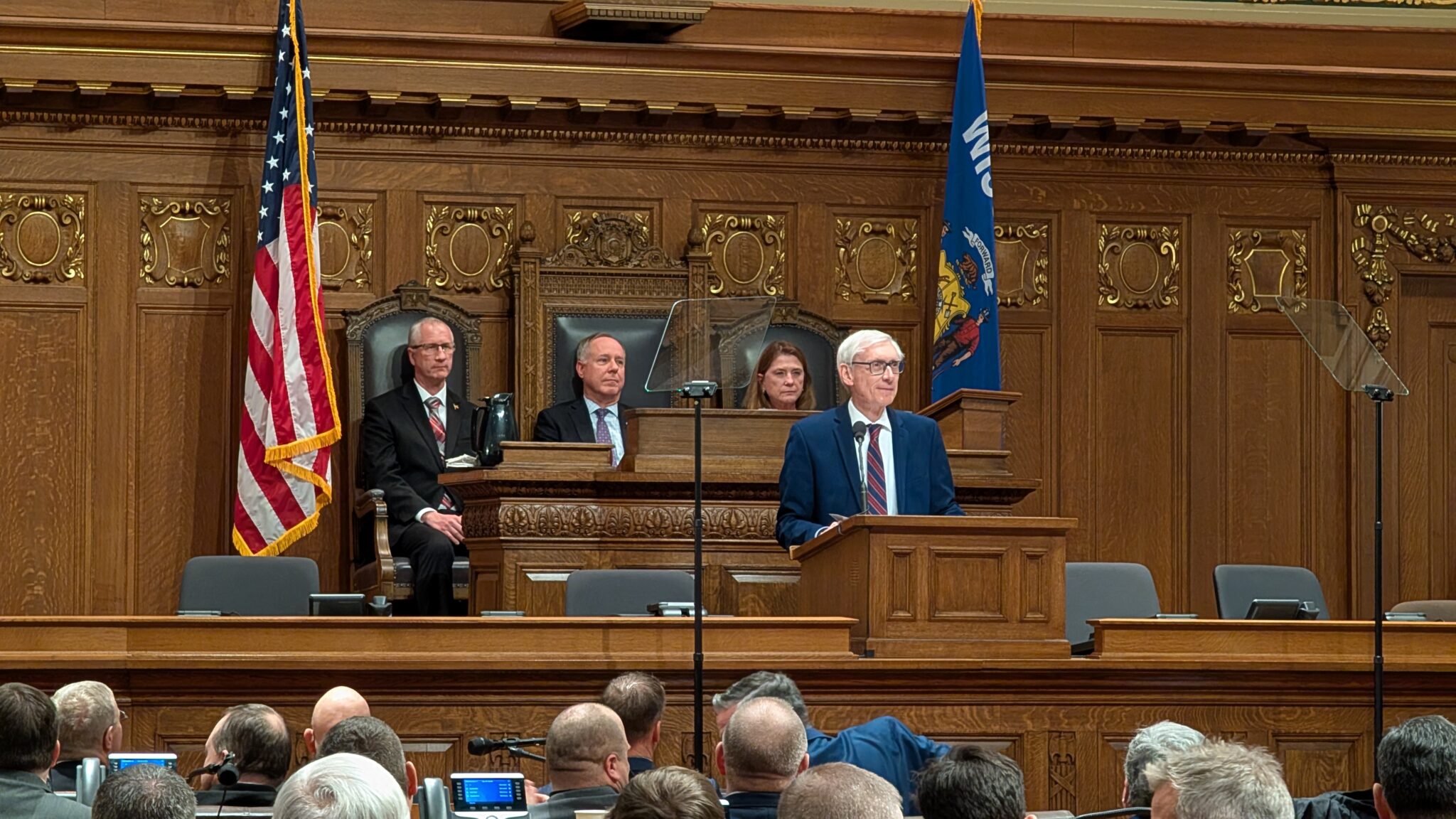
Senate lawmakers are showing growing bipartisan momentum in budget talks, raising hopes for resolving ongoing fiscal issues. The discussions focus on finding common ground to maintain government operations and manage national finances.
The talks come after months of political tension and disagreements over spending priorities. Analysts note that increased cooperation in the Senate signals a shift toward more collaborative governance. Lawmakers are working to bridge gaps between party positions on key fiscal policies.
Bipartisan progress is seen as crucial to avoid future government shutdowns and ensure timely funding for federal programs. By negotiating across party lines, senators aim to balance spending with fiscal responsibility while addressing urgent national needs.
The discussions include topics such as defense spending, social services funding, and infrastructure investments. Lawmakers emphasize the importance of compromise, with both sides seeking solutions that benefit the public without triggering partisan conflict.
Commentators view the progress as a hopeful sign for governance. Bipartisan cooperation has been limited in recent years, making these talks an opportunity to demonstrate that practical solutions are possible when parties work together.
Senators involved in the discussions are reportedly exploring phased budget plans and temporary funding measures to keep government functions operational. Analysts say these approaches can prevent financial disruptions while longer-term agreements are finalized.
The talks also highlight the role of committee leaders in fostering collaboration. By facilitating dialogue and identifying shared priorities, these leaders help build consensus and reduce political gridlock. Observers note that this approach strengthens public confidence in government processes.
Economic experts emphasize that successful budget agreements are critical for maintaining market stability. Predictable fiscal policies reduce uncertainty for businesses, investors, and households, which can positively affect economic growth and consumer confidence.
Public reaction has been cautiously optimistic. Citizens are hopeful that bipartisan cooperation will result in practical solutions and prevent delays in federal programs. The focus on dialogue and compromise is seen as a constructive step toward effective governance.
The Senate’s efforts come amid ongoing debates about taxation, healthcare funding, and national debt management. Lawmakers are weighing policy trade-offs carefully to ensure that agreements address both immediate needs and long-term fiscal sustainability.
Observers note that bipartisan budget talks can also serve as a model for other legislative areas. By demonstrating that compromise is possible, senators set an example for resolving disputes on other critical policy issues.
Analysts stress that continued engagement and transparency will be essential to maintain momentum. Regular updates to the public and consistent communication among lawmakers can help sustain trust and ensure that agreements are implemented effectively.
The growing bipartisan collaboration in the Senate represents a positive development in American politics. By prioritizing negotiation and compromise, lawmakers are signaling that shared goals can outweigh partisan divides.
While challenges remain, the progress in budget talks provides a framework for resolving fiscal issues and promoting stability. Analysts suggest that if the momentum continues, it could lead to timely budget approvals and more consistent governance in the months ahead.