

Christmas offers easy chances to sneak science into festive fun, experts say.
Simple experiments can spark curiosity without lab coats or equipment.
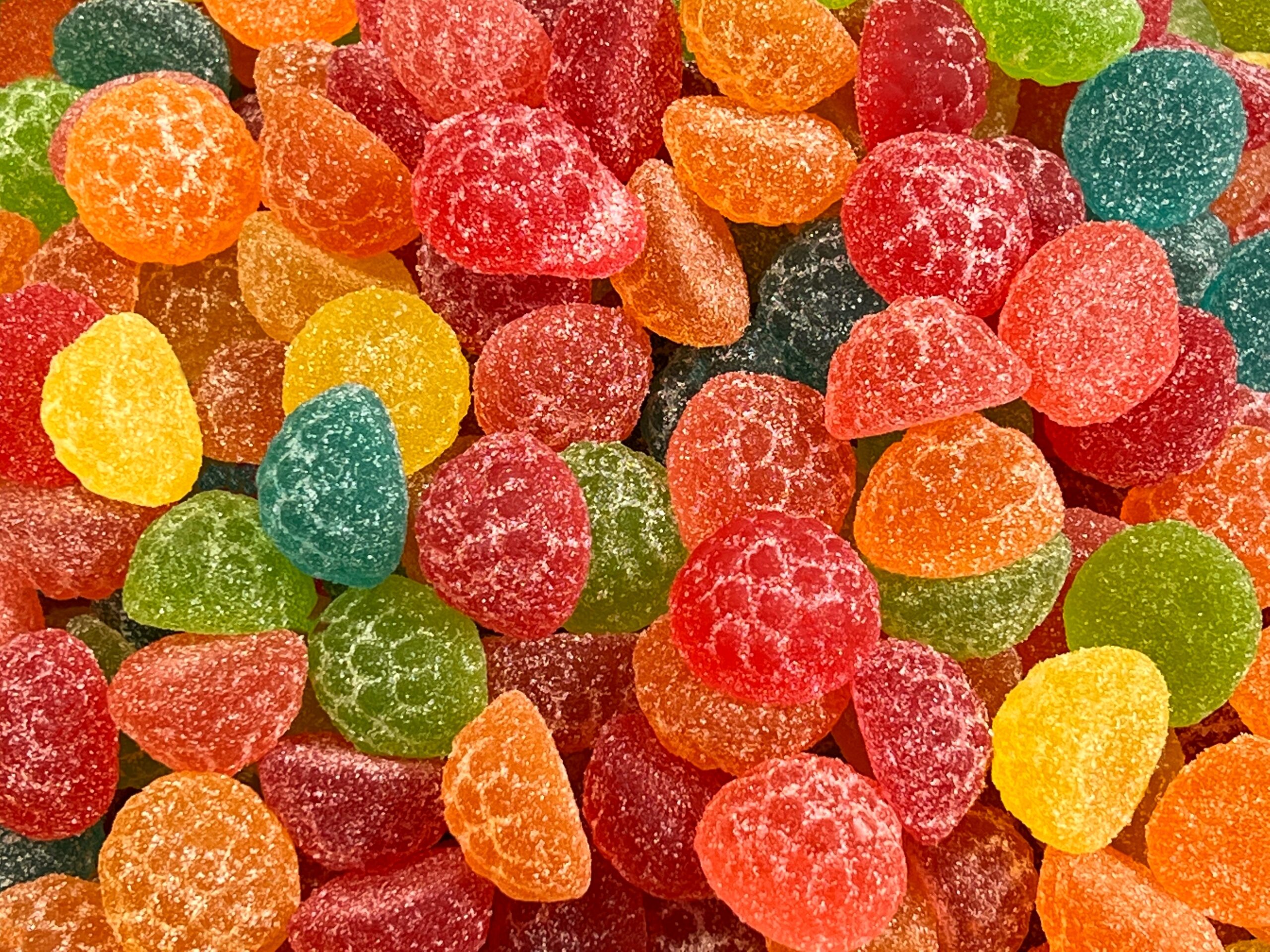
Matthew Cobb from the University of Manchester suggests testing flavour by eating sweets while holding your nose.
Most people taste only sweetness until smell is restored, revealing how flavour really works.
Cracker jokes also offer science lessons.
Sophie Scott of University College London says laughter is driven more by social context than humour.
People are far more likely to laugh when jokes are shared with others.
The closer the group, the louder the laughter tends to be.
A Christmas bird can double as an anatomy lesson.
Steve Brusatte from the University of Edinburgh recommends examining bones to understand movement and flight.
Sue Black of the University of Oxford suggests boiling carcasses to create a rebuildable bone puzzle.
It offers hands-on insight into biomechanics.
Festive chemistry is possible in the kitchen.
Andrea Sella from UCL explains how salt and ice can turn custard into ice cream.
The salt lowers freezing temperature, pulling heat from the mixture.
The result is edible science in minutes.
Maths can join the fun too.
Kit Yates from the University of Bath suggests using pine needles to estimate pi.
The experiment shows probability at work on the living room floor.