

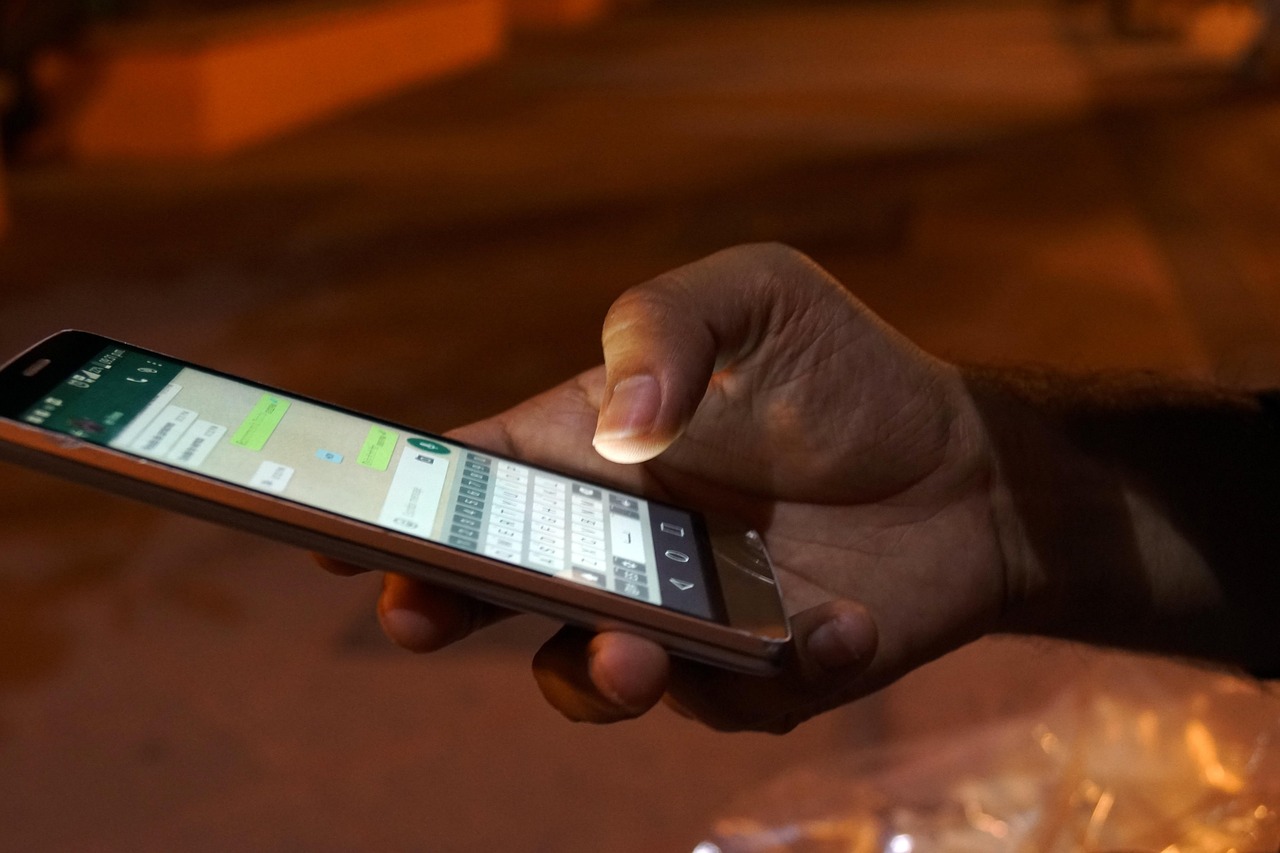
South Korea has passed a law banning smartphones and other smart devices during school hours. The country joins a growing number of nations restricting phone use among children and teenagers.
The law will take effect in March 2026. Lawmakers from both ruling and opposition parties supported it. They say it aims to curb smartphone addiction, which research increasingly links to harmful effects.
Parents and lawmakers call for action
Supporters argue phones disrupt lessons and reduce academic performance. They say students spend too much time scrolling instead of studying or socialising. Parents worry devices prevent children from forming friendships or pursuing hobbies.
Students remain sceptical. Many question how the law will be enforced and whether it addresses the root causes of addiction.
The bill passed parliament on Wednesday with 115 votes in favour out of 163 members present.
Global examples of phone restrictions
Many South Korean schools already limit phone use. Finland and France restrict phones for younger students, while Italy, the Netherlands and China enforce bans across all schools. South Korea now stands out by making the ban legally binding.
“Children just cannot put their phones down,” says Choi Eun-young, a mother of a 14-year-old in Seoul.
Teen smartphone use rising
The problem extends beyond classrooms. A 2024 government survey showed nearly a quarter of South Korea’s 51 million citizens rely heavily on phones. Among teenagers aged 10 to 19, the figure rises to 43%.
Over a third of teens admit they struggle to stop scrolling videos online. Parents fear this reduces study time, socialising, and healthy activities.
“When they go to school, they should focus on lessons and friendships,” Ms Choi explains. “But phones keep distracting them.”
Some parents also raise concerns about cyberbullying, with children exchanging harsh insults online.
Health risks cited by lawmakers
Opposition lawmaker Cho Jung-hun, who introduced the bill, says he acted after observing similar measures abroad. He points to evidence that smartphone addiction harms brain development and emotional growth.
The law bans phone use during class but allows exemptions for education, emergencies, or assistive devices for students with disabilities. Schools must also teach responsible smartphone use.
Teachers divided on the law
Educators remain split. The conservative Korean Federation of Teachers’ Association supports the law, saying it strengthens discipline. A survey found 70% of teachers experienced classroom disruptions caused by phones, with some reporting aggressive student behaviour.
The Korean Teachers and Educational Workers’ Union has no official position. Some members believe the law limits student rights. Critics note students rely on apps like KakaoTalk to stay connected outside school and cram centres.
Exam pressure overshadows reforms
Some teachers argue the law ignores South Korea’s deeper challenge: the college entrance exam, Suneung. The eight-hour test determines university admission, career prospects, and income.
Students prepare from their first day at school. A 13-year-old said he has no time for phone addiction because tutoring and homework often keep him awake until midnight.
Many young people say education, not punishment, should be the focus. “We should learn how to live without phones,” says 18-year-old Seo Min-joon, who opposes the ban.
He warns the measure will have limited effect. “Students will still use phones at night or on the way to school,” he says. “There has been no real education on healthy use, only confiscation.”