

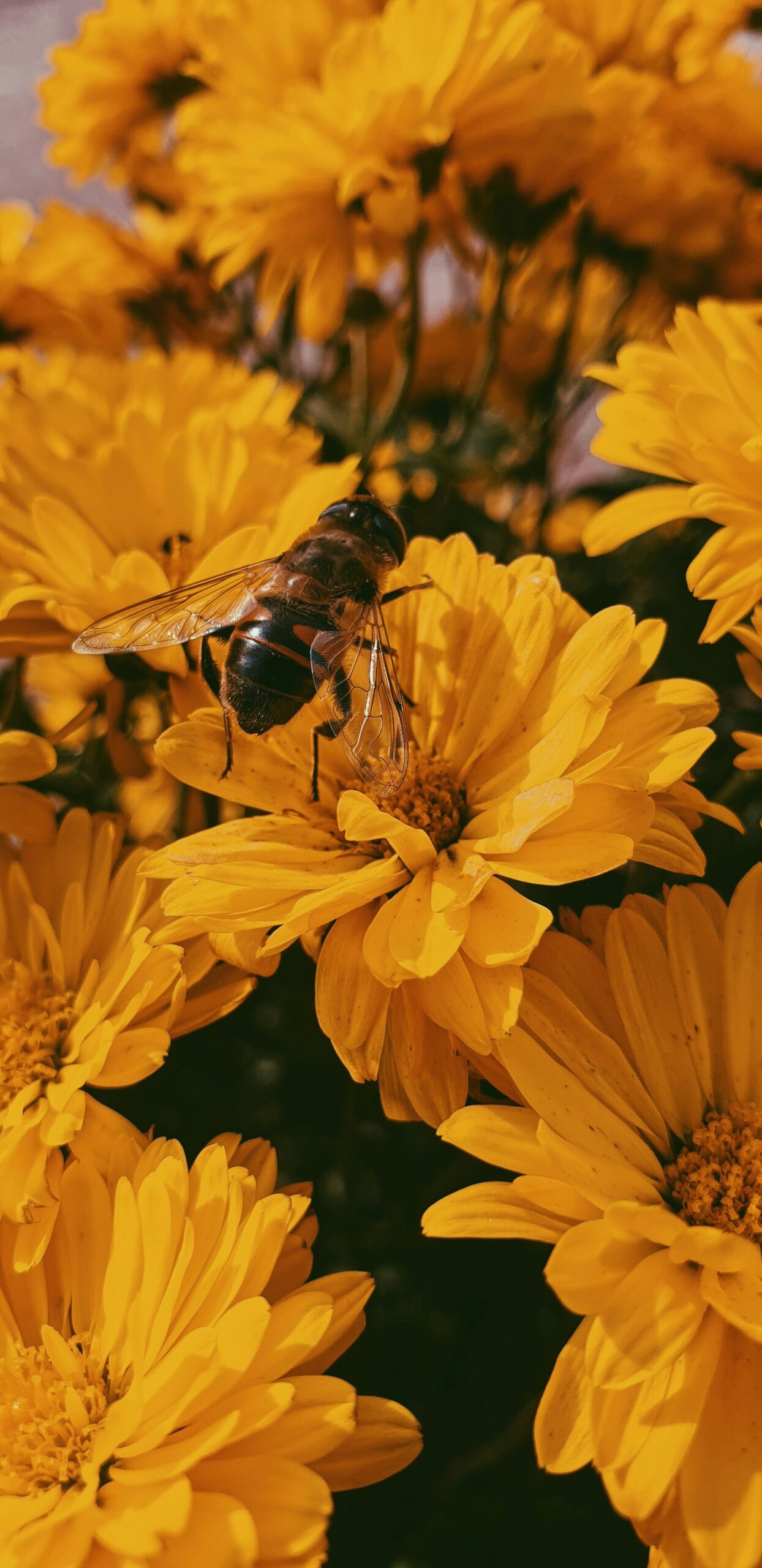
Wild bumblebees carefully choose different flowers to meet their nutritional needs, according to a new study. Over eight years, researchers in the Colorado Rockies observed eight species of wild bumblebees and mapped their pollen-based diets. By analyzing pollen samples in the lab, the team measured protein, fat, and carbohydrate levels, discovering that bees adjust their diets to match seasonal changes in nutrient availability.
Protein levels in flowers varied widely, ranging from just 17% to as much as 86%. Spring flowers tended to offer protein-rich pollen, while late-summer blooms provided more fats and carbohydrates. Larger-bodied bees with long tongues preferred protein-heavy pollen, while smaller bees with shorter tongues sought out pollen richer in sugars and fats. This shows that bee species occupy distinct “nutrient niches” and adapt their diets as their colonies grow.
Implications for Conservation and Ecosystem Health
The study, published in Proceedings of the Royal Society B: Biological Sciences, highlights the importance of nutritional diversity for pollinators. Lead author Justin Bain compared the variety of pollen to human diets, saying some are “like a steak” while others are “more like a salad.” Senior author Paul CaraDonna emphasized that bee nutrition is not “one-size-fits-all” and that the findings can inform better garden and conservation planning to ensure wildflowers provide balanced diets for pollinators.
As global pollinator populations face threats from habitat loss, climate change, and poor nutrition, the research underscores the urgency of protecting both bees and their ecosystems. Michael Walsh of The Urban Apiarist, who was not involved in the study, said the findings prove bees do not forage randomly but show remarkable collective intelligence. He stressed that protecting pollinators is vital, since human food systems depend on their survival.