

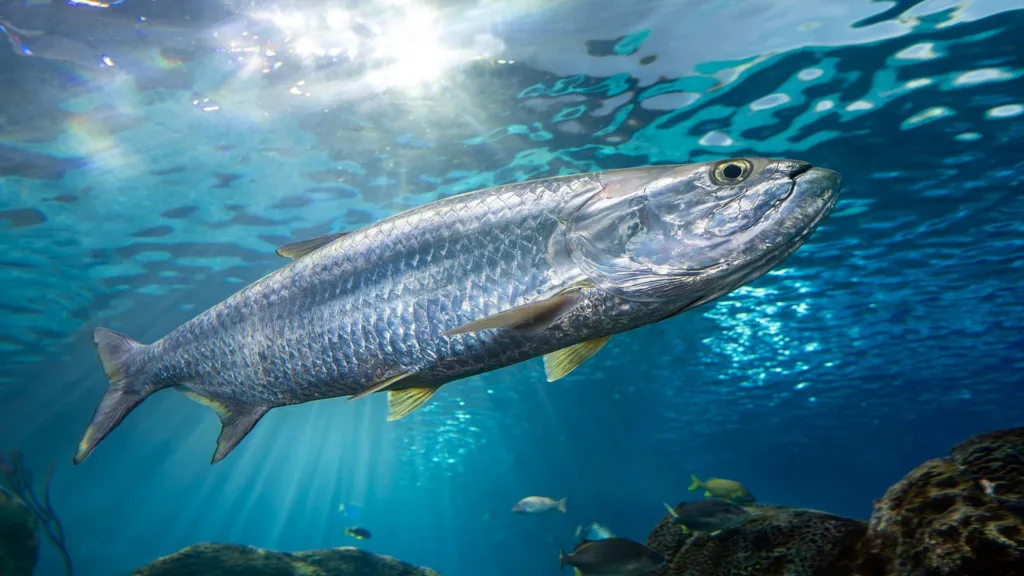
US Atlantic Fish Recovery is showing strong progress along the US Atlantic coast as new conservation efforts begin to deliver results. Marine experts report that several fish populations are increasing faster than expected in key fishing zones. This change is linked to stricter fishing rules and wider use of protected marine areas.
Officials say the recovery is being driven by a mix of science-based fishing limits and long-term ocean protection plans. These policies reduce overfishing and allow fish populations time to rebuild. In many areas, catch limits have been adjusted to match sustainable levels. This helps prevent damage to breeding stocks.
US Atlantic Fish Recovery is also supported by the expansion of marine protected zones. These areas restrict or fully ban commercial fishing. Fish in these zones can grow and reproduce without pressure from heavy fishing activity. Over time, they spread into nearby waters, helping rebuild wider fish populations.
Scientists monitoring the Atlantic say several key species are showing signs of recovery. Some fish stocks that were once in decline are now stabilizing or increasing. This includes species important for both commercial fishing and marine ecosystems.
Experts say improved monitoring systems are also helping track fish populations more accurately. New technology allows researchers to study migration patterns, breeding cycles, and population health. This data helps guide fishing policies and seasonal restrictions.
US Atlantic Fish Recovery is also supported by better cooperation between federal agencies, coastal states, and fishing industries. Many fishing groups are now working with regulators to follow sustainable practices. This cooperation has reduced illegal or unreported fishing in some regions.
Environmental scientists say ocean ecosystems are slowly becoming more balanced. Healthy fish populations support other marine life, including birds and larger sea animals. This creates a stronger and more stable food chain in the Atlantic Ocean.
Fishing communities along the East Coast are also adjusting to new rules. Some fishermen report lower catches in restricted zones, but others say long-term stocks are improving. Many industry groups support sustainable fishing because it protects future income.
US Atlantic Fish Recovery efforts also include seasonal fishing limits. These limits protect fish during breeding periods. This helps ensure that young fish can grow and replenish populations. Over time, this improves total fish numbers in the ocean.
Climate conditions also play a role in fish recovery. Warmer ocean temperatures can affect migration and breeding patterns. Scientists are studying how climate change interacts with fishing pressure and marine protection efforts.
Marine conservation programs are also focusing on habitat restoration. This includes protecting coral reefs, seagrass beds, and coastal wetlands. These habitats are important for fish breeding and survival. Healthy habitats support stronger fish populations.
Experts say recovery does not happen quickly. It takes years of careful management and consistent enforcement. However, current trends suggest that long-term policies are working in many Atlantic regions.
US Atlantic Fish Recovery is also linked to improved seafood sustainability standards. Many seafood suppliers now follow certified sustainable fishing practices. This helps consumers choose products that do not harm fish populations.
Government agencies continue to expand research funding for ocean health. Scientists are using satellites, underwater sensors, and tracking devices to study marine ecosystems. This helps improve decision-making for future policies.
Some challenges remain, including illegal fishing in international waters and climate-related changes in ocean conditions. These factors can slow recovery in certain areas. However, enforcement efforts are being strengthened.
Fishing quotas are regularly reviewed based on new scientific data. This helps ensure that catch levels remain within safe limits. Adjustments are made when fish populations show changes.
US Atlantic Fish Recovery is also seen as a model for other regions. Experts say similar strategies could help restore fish populations in other oceans. The combination of protection zones, data monitoring, and controlled fishing is considered effective.
Coastal economies are expected to benefit in the long term. Stable fish populations can support steady jobs in fishing, processing, and tourism. This creates a balance between environmental protection and economic needs.
Marine researchers say continued support is essential for maintaining progress. Without consistent policies, fish stocks could decline again. Long-term commitment is seen as key to success.
The latest findings show that US Atlantic Fish Recovery is moving in a positive direction. While challenges remain, the overall trend suggests healthier oceans and more stable fish populations along the Atlantic coast.