

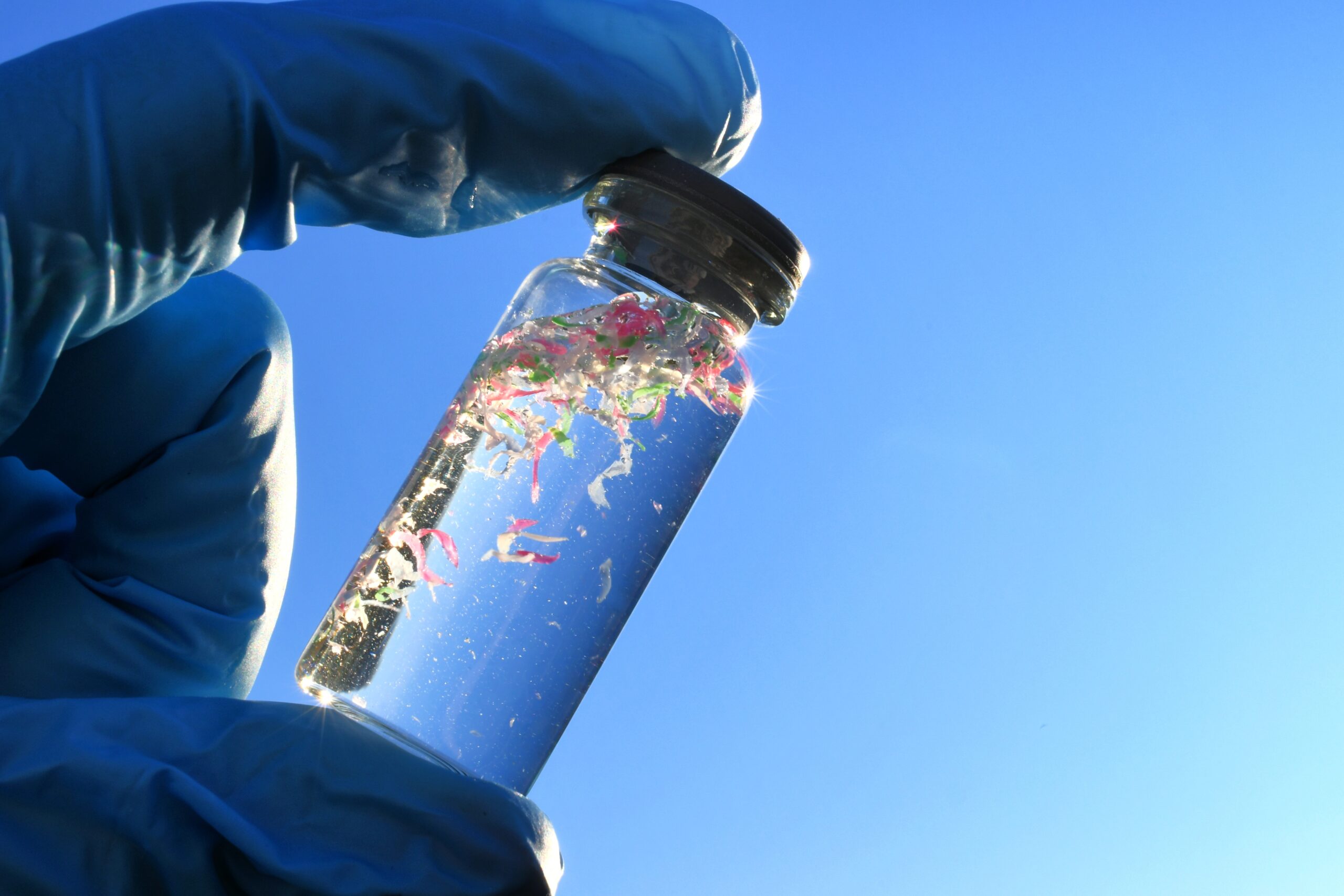
Microplastics have been found in our blood, lungs, guts – even our brains. Scientists estimate the average person may carry around 5g of plastic inside them, but its effects remain unclear.
Researchers in Austria found that microplastics can alter gut bacteria in ways linked to depression and bowel disease. “Reducing exposure is a wise precaution,” said Dr Christian Pacher-Deutsch.
These particles, shed from packaging, clothes and tyres, can slip into our organs and cells. “We’re finding them in almost every tissue,” said neuroscientist Dr Jaime Ross, whose studies show they may affect brain health.
Some research links microplastics to higher risks of heart disease and dementia, though scientists stress the evidence is still early. “We don’t yet know what’s harmful,” said Prof Stephanie Wright of Imperial College London.
Still, experts advise simple steps to limit exposure: avoid heating food in plastic, use glass or metal containers, choose natural fabrics, and skip teabags sealed with plastic glue.
We may not escape microplastics entirely – but small changes could reduce what ends up inside us.