

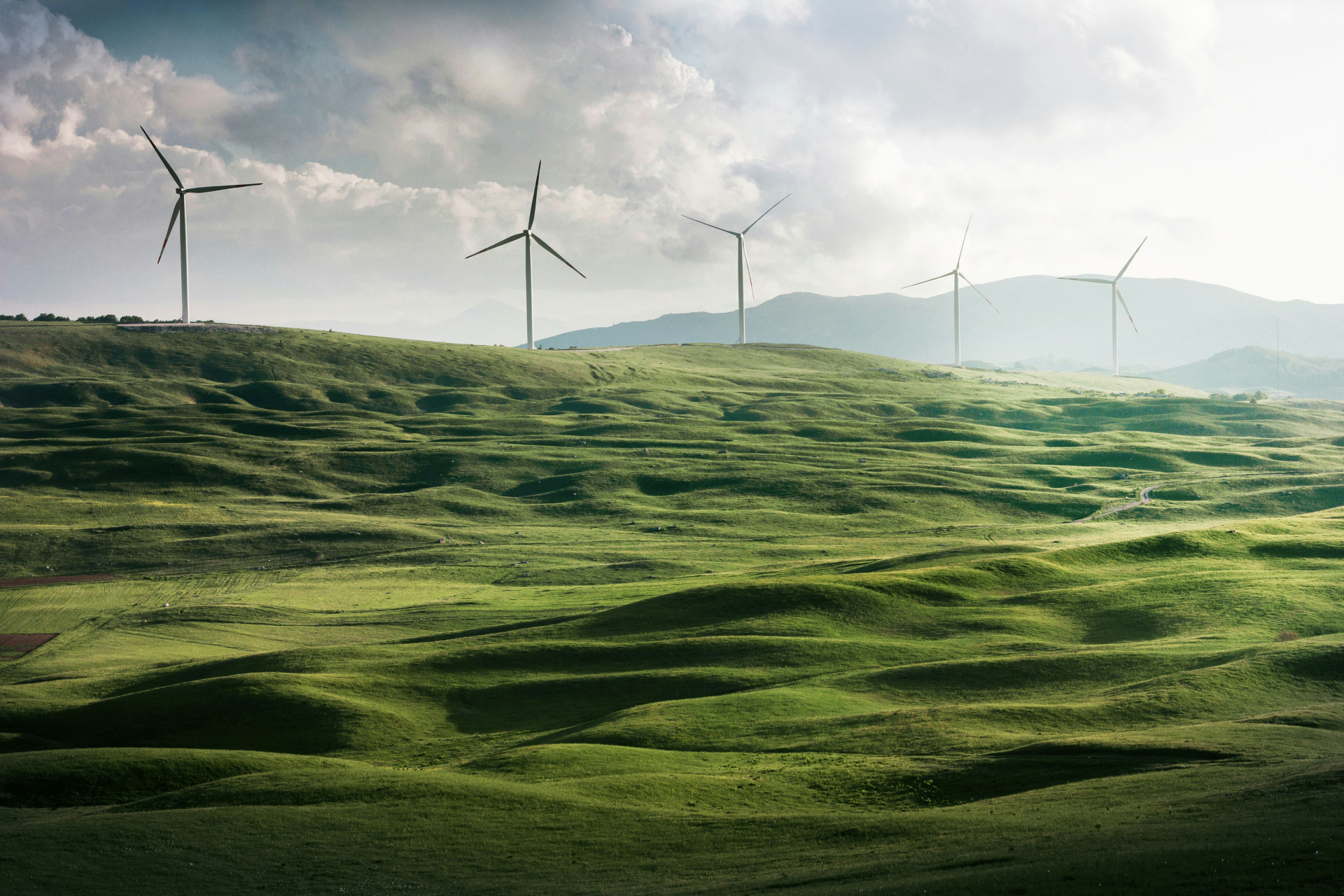
Experts and environmental groups say that positive climate developments are gaining momentum in 2026. Growth in renewable energy, advances in carbon capture technologies, and expanded conservation efforts are contributing to a stronger global push for sustainability. These trends suggest a year of progress in addressing climate change while promoting economic and environmental benefits.
Renewable energy continues to be a key driver of climate progress. Solar, wind, and other clean energy projects are expanding rapidly across the United States and worldwide. Investments in green infrastructure are creating jobs, reducing greenhouse gas emissions, and providing communities with cleaner energy options. Experts note that these developments help countries meet their climate targets while building economic resilience.
Innovation in carbon capture and removal is also accelerating. Companies and research institutions are developing new methods to capture carbon from the air and store it safely. Nature-based solutions, such as reforestation and wetland restoration, are being combined with technological approaches to remove carbon at scale. These projects are essential for offsetting emissions that cannot be eliminated entirely through renewable energy alone.
Conservation efforts are expanding alongside energy and carbon innovations. Governments, nonprofits, and private organizations are protecting forests, wetlands, and other critical habitats. These efforts help preserve biodiversity, improve air and water quality, and support communities that rely on natural resources. Conservation also plays a role in mitigating climate impacts, including extreme weather events and rising temperatures.
Environmental groups say that public awareness and engagement are crucial for sustaining progress. Education campaigns, community projects, and local initiatives encourage individuals to adopt sustainable practices and support renewable energy policies. By involving citizens in climate action, these programs strengthen collective efforts and create a sense of shared responsibility.
Economic incentives are helping accelerate adoption of renewable energy and conservation practices. Tax credits, grants, and funding for clean energy projects make it easier for businesses and communities to invest in sustainable solutions. Experts note that these financial tools are essential for scaling initiatives and ensuring long-term impact.
Technology is also playing a major role in climate progress. Smart energy systems, advanced analytics, and AI-powered monitoring allow for more efficient energy use and better tracking of environmental outcomes. Carbon capture projects and conservation programs rely on these tools to measure impact and optimize operations. Data-driven approaches help policymakers and organizations make informed decisions to maximize climate benefits.
International collaboration is another factor contributing to 2026 climate progress. Countries are sharing knowledge, technology, and funding to tackle global challenges. Joint renewable energy projects, carbon offset programs, and conservation partnerships are creating momentum that goes beyond national borders. Experts emphasize that cooperation is essential to meet ambitious global climate goals.
Experts say that the combination of renewable energy growth, carbon capture innovation, and conservation expansion is creating a positive feedback loop. As more projects succeed, they inspire further investment, policy support, and public engagement. This momentum increases confidence that sustainable solutions can be scaled effectively, providing both environmental and economic benefits.
Despite challenges, environmental groups are optimistic about 2026. They point to clear signs of progress in multiple sectors and growing recognition that climate action aligns with economic growth. Continued investment in renewable energy, carbon removal, and conservation will be key to maintaining this trajectory and achieving long-term climate goals.
The momentum in 2026 highlights that climate progress is possible when governments, businesses, and communities work together. Positive developments in renewable energy, carbon capture, and conservation demonstrate that sustainability and economic growth can go hand in hand. Experts and environmental groups urge continued action to build on these gains and ensure a greener future for the planet.