

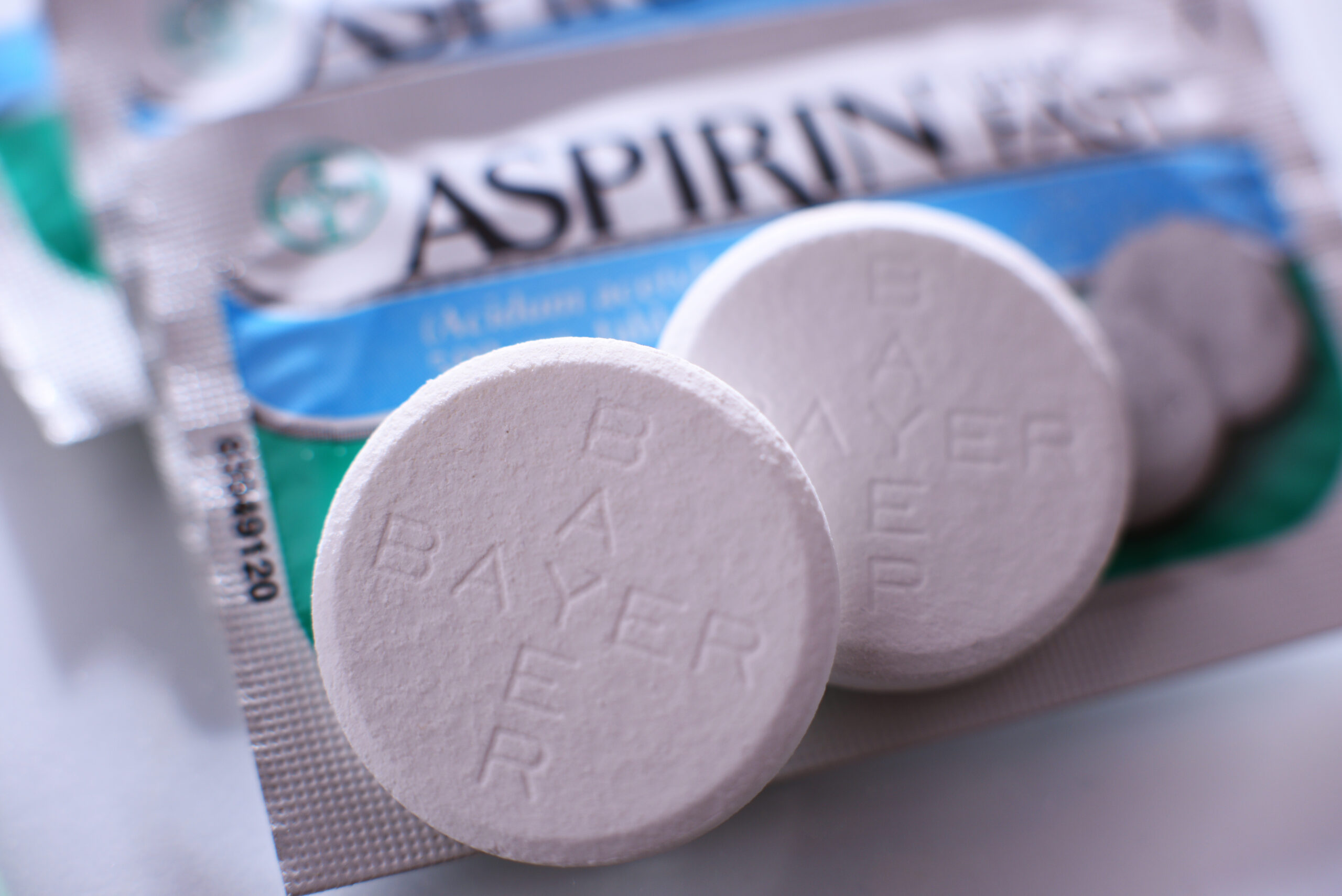
A major Swedish-led trial has found that a daily low dose of aspirin can cut the risk of colorectal cancer returning by more than 50% in patients with specific genetic mutations. The Alascca trial, led by Prof Anna Martling at the Karolinska Institute, followed nearly 3,000 patients across Sweden, Norway, Denmark and Finland.
Among those whose tumours carried PI3K pathway mutations, patients given 160mg aspirin daily for three years after surgery were 55% less likely to see their cancer return than those on placebo. About 40% of colorectal cancer patients have such mutations.
Researchers believe aspirin protects against recurrence by reducing inflammation, disrupting the PI3K pathway, and preventing blood platelets from shielding tumour cells. Martling urged routine genetic testing so eligible patients could benefit from the inexpensive treatment.
While the results mark a major breakthrough, long-term aspirin use carries risks. In the trial, a small number of patients experienced serious side effects, including gastrointestinal bleeding and one possible fatality linked to the drug.
Experts say the findings, published in the New England Journal of Medicine, could reshape treatment for colorectal cancer survivors worldwide, though larger trials are still needed to confirm who benefits most.