

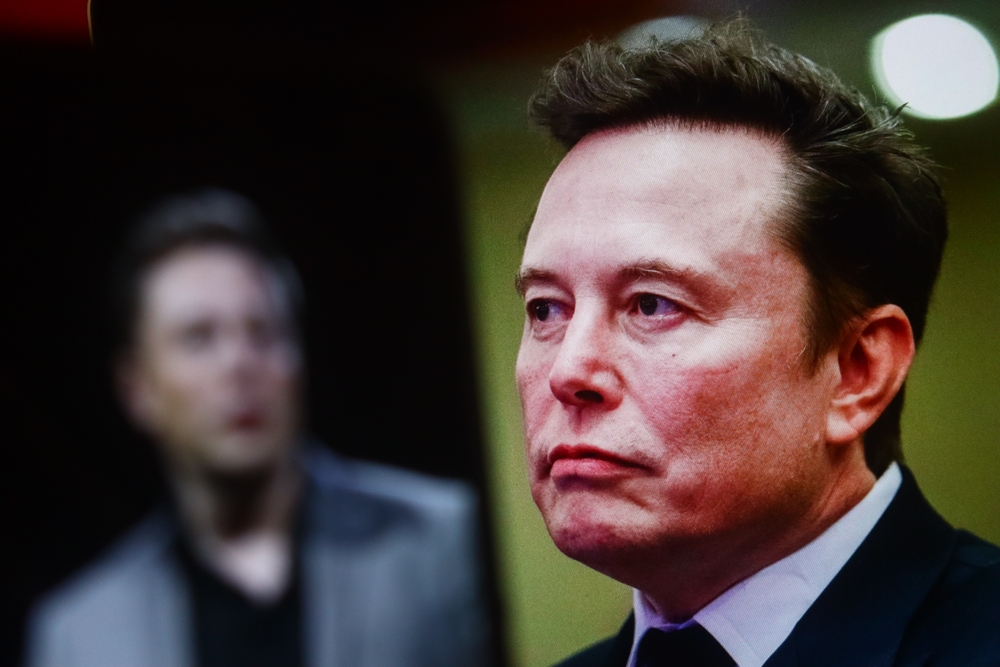
Tesla is gearing up for a defining moment. Ahead of Thursday’s annual general meeting, the company is delivering one message loud and clear: Elon Musk deserves a $1 trillion reward. The electric carmaker has launched a full-scale campaign to persuade investors. Digital ads defend the plan, while the website Votetesla.com features board chair Robyn Denholm and director Kathleen Wilson-Thompson praising Musk to rousing music. Yet the shareholder base appears divided. The meeting in Austin, Texas, is expected to become a referendum on Musk himself. His political statements and unpredictable leadership style have split investors more than ever. Musk has used his social media platform X to raise the pressure, warning that Tesla’s fate “could affect the future of civilization.” He has also boosted posts supporting him from Michael Dell, Ark Invest’s Cathie Wood, and his brother Kimbal, who serves on Tesla’s board. “There is no one remotely close to my brother,” Kimbal said. Musk responded simply: “Thanks bro ❤️.”
Growing investor unease
Many investors view the pay package debate as a symbol of Tesla’s drift. Sales are falling, and critics say the company has lost its focus on cars. “What’s shocking is that a company struggling to sell vehicles spends money promoting a pay deal,” said Ross Gerber, CEO of Gerber Kawasaki Wealth and Investment Management. Gerber has cut his Tesla holdings and sharpened his criticism. “Tesla must return to its core mission—selling electric cars,” he said.
The trillion-dollar challenge
The proposal doesn’t give Musk a $1tn salary. Instead, it sets him the task of boosting Tesla’s market value from $1.4tn to $8.5tn. He must also deliver a massive expansion of the company’s self-driving “Robotaxi” fleet, getting one million cars into operation despite their slow start. If Musk meets those goals, he would earn 423.7 million new shares—worth nearly $1tn at the target valuation. Tesla hasn’t commented on its efforts to rally shareholder support.
This isn’t Musk’s first pay dispute. A previous package worth tens of billions was approved when he promised to multiply Tesla’s value tenfold. He did it, but in 2024 a Delaware judge struck down the plan, ruling that the board was too close to him. The Delaware Supreme Court is now reviewing that decision while Tesla pursues this even bigger deal.
“Tesla’s approach remains unconventional,” said Columbia Law School professor Dorothy Lund. “They’re not an example of good governance.” She added that such shareholder campaigns typically occur when activist investors push for change. “I’ve never seen anything like this for a pay decision,” she said.
Both Elon and Kimbal Musk will vote this time, giving them more influence in the final tally. Musk, already the world’s richest man, became the first half-trillionaire earlier this year.
A board under scrutiny
Tesla insists it cannot afford to lose Musk. The company argues he “uniquely possesses the leadership qualities to achieve its long-term vision.” In the video on Votetesla.com, Wilson-Thompson said the board spent seven months consulting legal and pay experts to shape the package. During a recent earnings call, Musk dismissed concerns about the payout, saying he only wanted enough control to lead Tesla effectively.
Critics argue the board has gone too far. “The board’s duty is to protect shareholders, not campaign for the CEO,” said Yale professor Matthew Kotchen, who co-authored a study examining the damage Musk has caused to Tesla’s reputation.
Several major institutions share that view. Proxy advisers Glass Lewis and Institutional Shareholder Services have recommended voting against the deal, calling it excessive and harmful to shareholders. Norway’s sovereign wealth fund—the world’s largest—plans to vote no, joined by CalPERS, the biggest U.S. public pension fund. New York State Comptroller Thomas DiNapoli has also urged investors to reject Tesla’s board members, accusing them of failing to provide “independent oversight and accountability.”
A crucial vote for Tesla’s future
With powerful institutional investors turning against the deal, Musk may need strong backing from Tesla’s loyal retail shareholders, who often support him. Morgan Stanley analyst Adam Jonas called Thursday’s meeting one of “the most important moments in Tesla’s history,” warning that there’s a “real chance” the proposal could fail.
Meanwhile, Musk continues to face protests and criticism months after his brief, controversial role in Donald Trump’s administration collapsed. “It’s hard to see Musk quickly repairing the damage to Tesla’s image,” said Kotchen.
Still, Musk’s supporters remain confident. “His larger-than-life personality has brought more attention to Tesla than almost any other business leader,” said Jessica Caldwell, head of insights at Edmunds. “He’s become more divisive, but many still believe he can make the impossible happen,” she added.
The outcome now rests with the shareholders. Will they decide Elon Musk is truly worth a trillion dollars—or is this the moment they say no?