

New Restrictions Target Moscow’s Finances and Energy Revenues
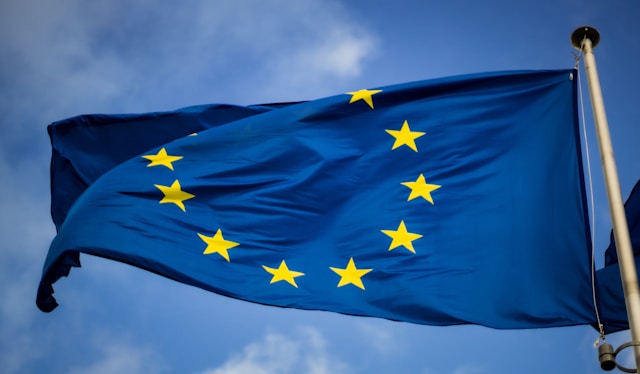
The European Union has approved its nineteenth set of sanctions against Russia, introducing new limits on trade, banking, and energy dealings. The measures expand previous restrictions by blacklisting more financial institutions and closing loopholes that allowed Russian oil shipments to bypass earlier embargoes. EU officials say the sanctions are intended to cut off key revenue streams sustaining Moscow’s war in Ukraine while reinforcing the bloc’s collective economic response.
Liquefied Natural Gas Phase-Out Marks Policy Shift
For the first time, the EU has moved to prohibit Russian liquefied natural gas from entering its markets. The ban prevents the signing of new import contracts and requires existing agreements to expire no later than early 2027. The decision advances Europe’s timeline for weaning itself off Russian energy, a process that has accelerated since the start of the war and aims to secure greater independence through diversification and renewable investment.
All 27 Member States Back Deal After Slovakia Drops Objection
The sanctions gained unanimous backing after Slovakia removed its final holdout, clearing the way for full approval by the EU Council. European leaders hailed the agreement as a major step toward tightening enforcement of trade restrictions and sustaining unity across the bloc. Officials said the package sends a clear signal that Europe remains committed to isolating Russia economically while protecting its own long-term energy security.