

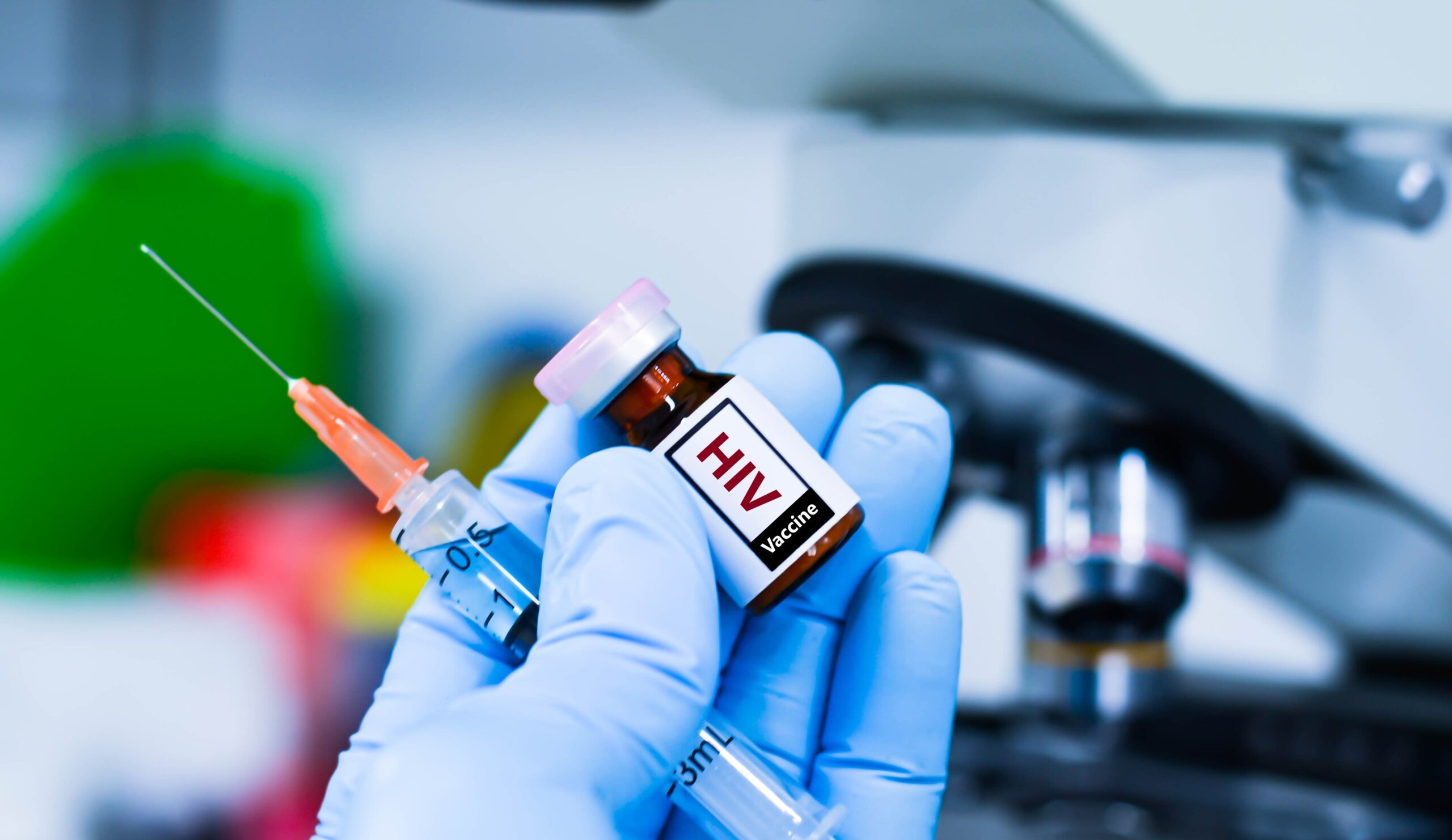
A long-acting injection to prevent HIV is set to be approved for use in England and Wales, offering a major alternative to daily pills currently used for protection against the virus.
The jab, known as cabotegravir (CAB-LA), is administered every two months and serves as a new form of pre-exposure prophylaxis (PrEP) for HIV-negative individuals at risk of infection. The National Institute for Health and Care Excellence (NICE) recommended the treatment in draft guidance published on Friday for adults and young people who cannot take oral PrEP.
Already available on the NHS in Scotland, the approval marks a major step toward England’s goal of ending HIV transmissions by 2030.
Health secretary Wes Streeting hailed the decision as “gamechanging,” saying: “For vulnerable people who are unable to take other methods of HIV prevention, this represents hope. England will be the first country to end HIV transmissions by 2030, and this breakthrough treatment is another powerful tool to reach that goal.”
The rollout is expected to begin about three months after NICE issues its final guidance later this year.
According to the UK Health Security Agency, more than 111,000 people accessed PrEP through sexual health clinics in England in 2024—a 7% increase from the previous year.
Helen Knight, NICE’s director of medicines evaluation, said the injection would be particularly valuable for those unable to take daily pills: “HIV remains a serious public health challenge, but we now have powerful tools to prevent new infections.”
NICE estimates that up to 1,000 people in England could benefit from the new injectable PrEP each year.