

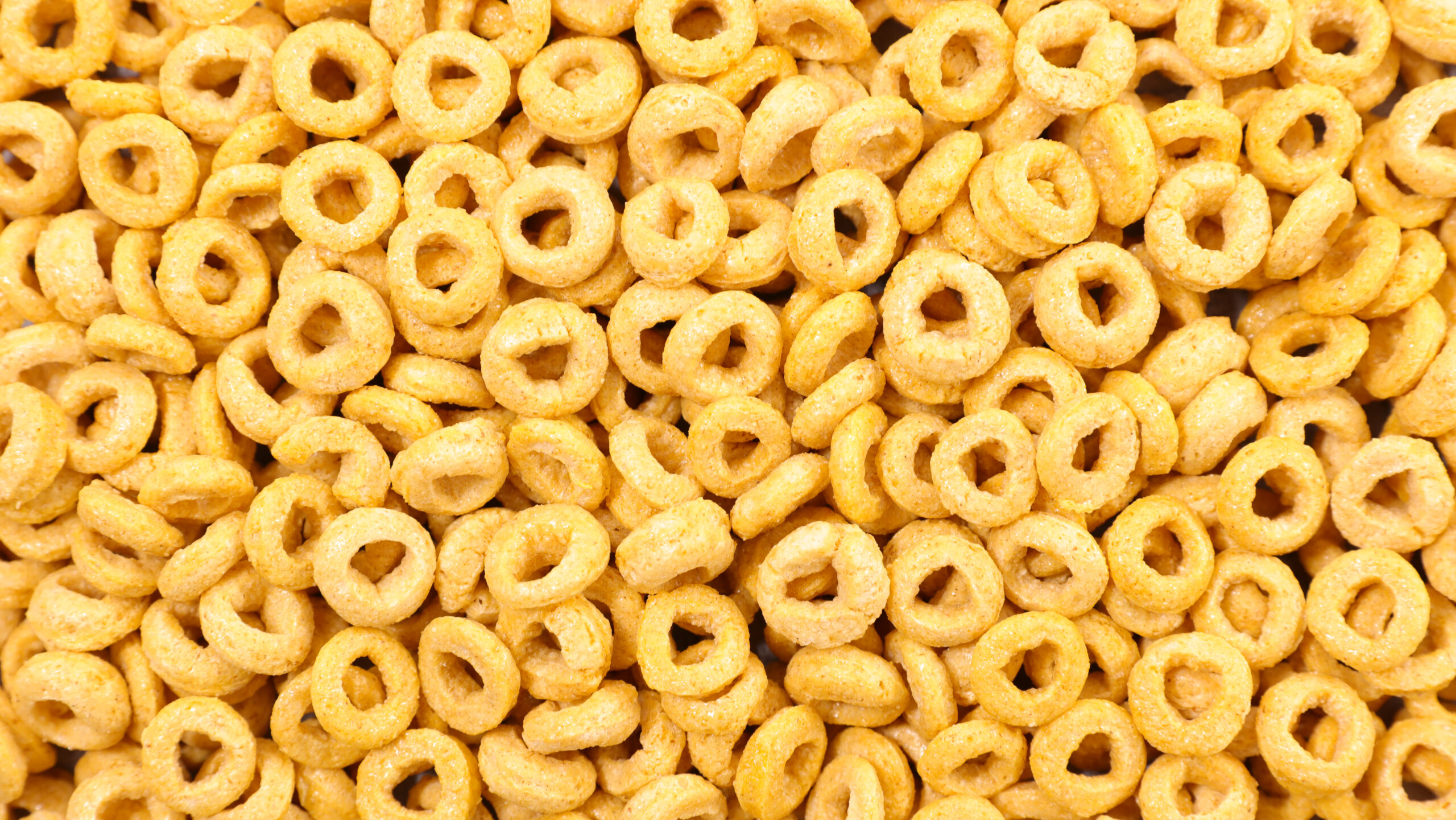
A new study by Pesticide Action Network Europe (PAN) has found widespread contamination of cereal products with trifluoroacetic acid (TFA), a toxic “forever chemical” formed when Pfas-based pesticides break down in soil. Researchers reported average TFA levels in breakfast cereals at concentrations 100 times higher than those typically found in tap water.
The study examined 65 conventionally produced cereal products from 16 European countries — the first EU-wide survey of its kind. TFA was detected in more than 80% of samples, particularly in wheat-based foods. Irish breakfast cereals had the highest levels, followed by Belgian and German wholemeal bread, and French baguettes. Contamination was also found in pasta, sweets, croissants, bread, flour, spaghetti, cheese scones, and gingerbread.
Pfas chemicals, used in manufacturing since the 1950s, do not easily break down and can persist in the environment for centuries. TFA is water-soluble, allowing it to enter crops through soil and irrigation. It is considered reprotoxic and has been linked to fertility issues, fetal development risks, and potential harm to the thyroid, liver, and immune system.
Campaigners are urging governments to ban Pfas pesticides, set stricter safety limits for TFA, and begin monitoring it in foods — something no European government currently does. PAN Europe warns that without regulation, contamination of the food chain will continue to grow.
Although the UK was not included in the study, experts say the findings are relevant there as well. Britain still uses 27 Pfas pesticide ingredients, including six considered highly hazardous.
“All people are exposed to TFA through multiple pathways,” said Salomé Roynel of PAN Europe. “This demands immediate action.”