

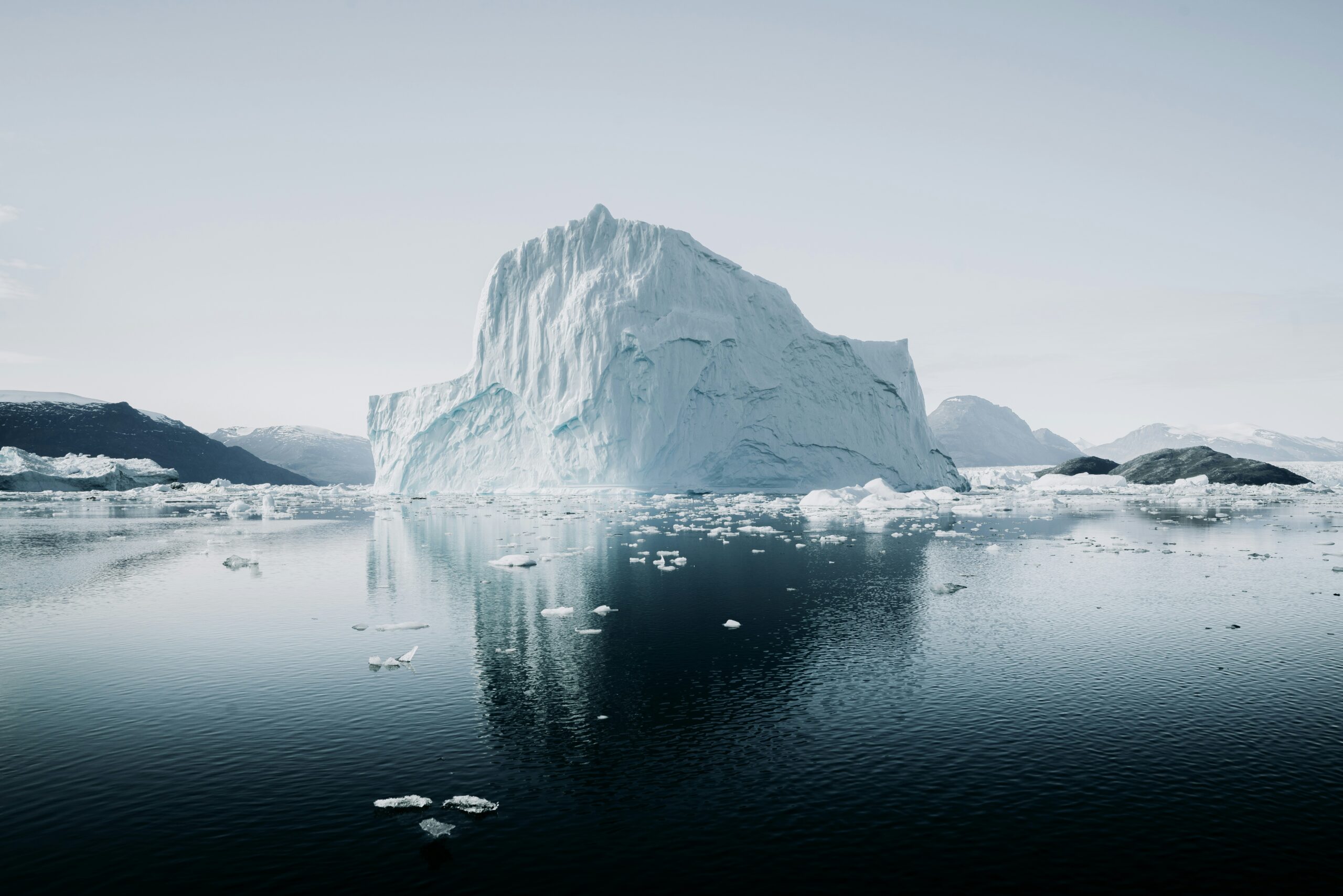
Scientists report that Arctic sea ice melting has slowed significantly over the past two decades, showing no decline since 2005.
This finding is unexpected, as rising fossil fuel emissions have continued to trap more heat and drive global temperature increases.
Researchers believe shifting ocean currents, which temporarily counteract warming, are the main reason behind the slowdown in ice loss.
They warn this effect is temporary and predict melting will soon accelerate again, potentially at twice the long-term average rate.
Not a Recovery
Arctic sea ice in September, when it reaches its lowest point, has already shrunk to half the 1979 levels.
Experts emphasize this slowdown is not a rebound. The region still faces ice-free summers within this century, damaging ecosystems and communities.
Loss of reflective sea ice also increases global heating, as dark ocean water absorbs more sunlight and accelerates warming.
Dr. Mark England, who led the study, stressed this pause has bought time but does not signal a lasting recovery.
Evidence and Outlook
Researchers examined decades of satellite data and thousands of climate model simulations, confirming that slowdowns occasionally occur but never last.
Models show melting always resumes at a faster pace after such interruptions, reinforcing long-term trends of ice loss in the Arctic.
Other studies reveal each ton of carbon dioxide causes a measurable decline in September ice. Thinning ice volume compounds the problem.
Experts note similar “pauses” in global warming have happened before, yet heat continued to accumulate within Earth’s climate system.
Urgent Action Still Needed
Scientists agree: climate change remains human-driven, dangerous, and real. The slowdown does not alter the urgent need for global action.
Without clear communication, the findings may be misused by groups aiming to cast doubt on climate science and delay solutions.