
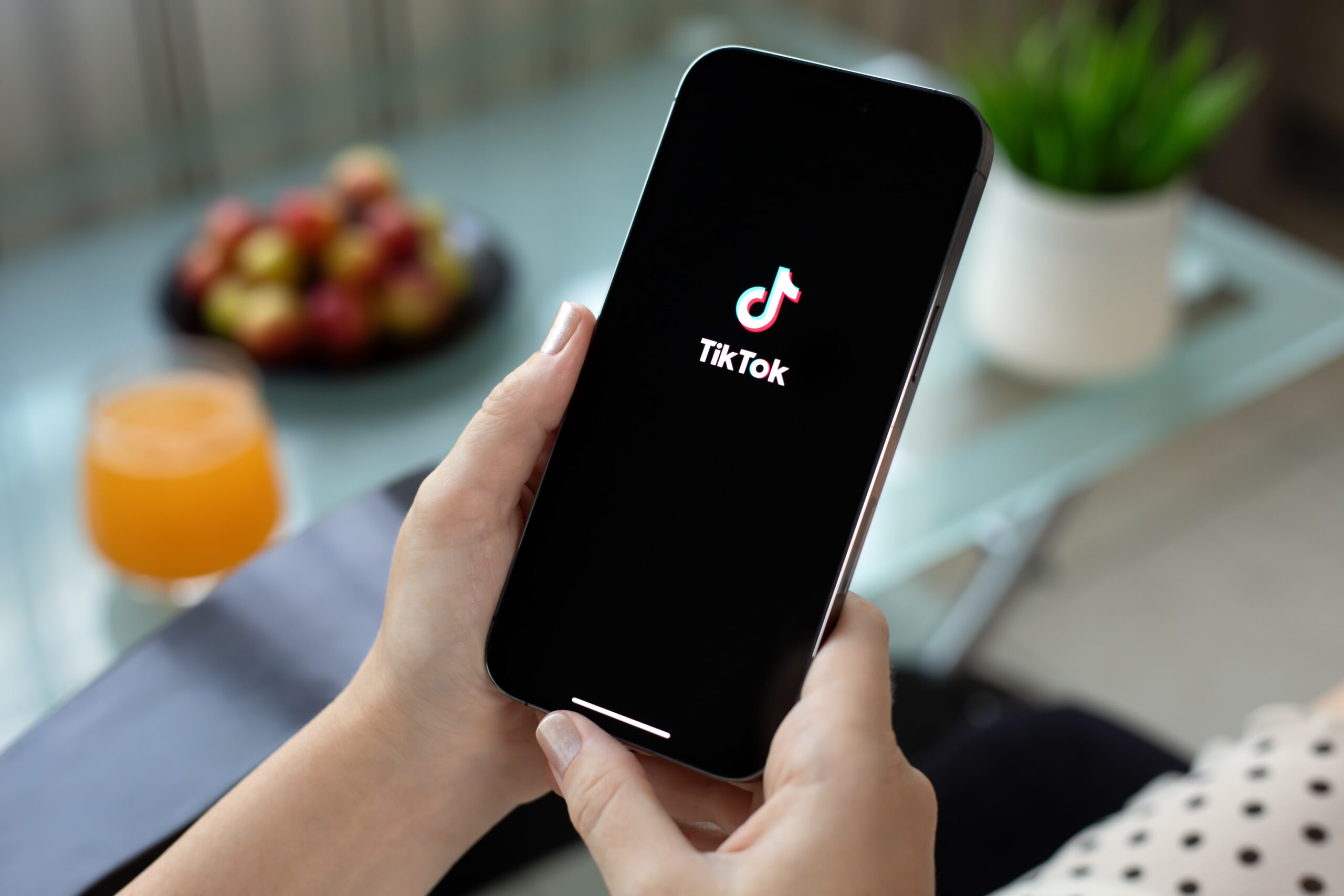
A deal over TikTok may soon be reality. US President Donald Trump and Chinese leader Xi Jinping will discuss terms on Friday.
Officials from both governments reached a “framework” agreement this week. Reports suggest TikTok’s US operations could be sold to American investors.
If finalised, one expert called it a “rare breakthrough” in strained trade ties. It could end a dispute that has dominated headlines for years.
Analysts now focus on what such a deal means for TikTok’s 170 million US users, and what benefits China secures in return.
The algorithm remains out of reach
Chinese state outlets praised the deal as “win-win”. Trump added, “I’d like to do it for the kids”.
But key details remain unclear. Reports suggest a US-specific version of TikTok could appear. A group including Oracle, Andreessen Horowitz and Silver Lake may take over the business.
At the centre of the talks is TikTok’s algorithm. It drives the app’s appeal by recommending content. Rivals like Instagram Reels and YouTube Shorts tried to copy it, but failed, a former industry executive explained.
“Generally, the one who introduces the technology just knows how to do it better,” the insider said.
ByteDance, TikTok’s Chinese parent, refused to give up its prized formula. Beijing supported this stance.
Yet China’s cybersecurity regulator suggested ByteDance could license the algorithm to a US partner. But the intellectual property would stay in Beijing.
This marks a sharp shift from China’s earlier hardline position.
Still, the American app may run on a “stripped-down” system, said computing expert Kokil Jaidka from the National University of Singapore.
Even partial access could reveal how TikTok engages users, moderates content and targets ads.
“It makes no business sense for ByteDance to hand over its most valuable asset when a lighter version can keep TikTok alive,” Dr Jaidka explained.
The user experience may change. Content could appear less diverse than in other regions.
“A lighter, slower, more domestic version – while ByteDance keeps the crown jewels in Beijing,” she added.
Political approval may prove difficult
US Treasury Secretary Scott Bessent, leading Washington’s delegation, said TikTok will keep “Chinese characteristics”. The phrase, often used by Beijing, signals its unique approach.
US officials have long worried about who accesses TikTok’s data and how the app influences Americans. These concerns drove legislation signed by former president Joe Biden. It required TikTok to hand over US control or face a ban.
Trump later shifted position, crediting TikTok with helping him win youth support in 2024.
Still, lawmakers must approve any sale. Political resistance already builds in Washington.
Republican John Moolenaar warned the framework may still permit Chinese influence.
“Put simply: the statute requires full separation from ‘foreign adversary’ control,” lawyer Hdeel Abdelhady said. “A license does not appear to meet that test.”
Large international deals usually take months or years. Several key questions remain.
How will US TikTok operate alongside the global version still owned by ByteDance? Will ByteDance’s board agree?
Even with Beijing’s approval, ByteDance’s private ownership adds complexity.
Trump’s unpredictable trade approach could also trigger new problems.
China protects its advantage while waiting
Trump wants a TikTok deal, and the reasons are clear.
TikTok serves one in seven people worldwide. It doubles as a vast marketplace, linking buyers and sellers from the US to Europe and Asia.
“This is the only major social media app not created in the US, so it’s highly valuable,” the former executive said.
American users are the most profitable. In the US, per-user revenue is five to ten times higher. America may account for nearly half of ByteDance’s global income.
Tech outlet The Information estimated ByteDance’s 2024 revenue at $39bn, with TikTok contributing $30bn.
What does China gain?
Licensing protects ByteDance’s algorithm. This advantage grows if the US seeks to build rival apps, said scientist Ben Leong.
And TikTok avoids a ban. ByteDance keeps the largest stake, along with brand and design.
Investor Kevin Xu called this model a “TikTok Template”. Other Chinese firms could use it to expand in the US.
Strategic industries like batteries and rare earths could follow this path.
“This is the model for companies like BYD or CATL to grow in America,” Xu explained.
China can present the outcome as a victory: exporting technology on its own terms. That strengthens Beijing’s hand in trade talks.
Former World Bank director Bert Hofman said, “The Chinese side called the talks in depth, constructive and candid. That suggests they are pleased. The question is when a full deal arrives.”
A TikTok deal could buy Beijing time. The US is a huge export market for China, while Beijing remains a key buyer of US agriculture. Tariffs harm both.
Export restrictions also matter, especially rare earths, where China dominates global supply.
So far, TikTok talks look like progress for Beijing. The US may strike a deal, but not the triumph Trump envisioned.
“The deal might work on paper, but it will always sit under a cloud,” Dr Jaidka warned.
“A US TikTok may look the same, but behind it lies borrowed code, firewalled data and fragile political trust.”