

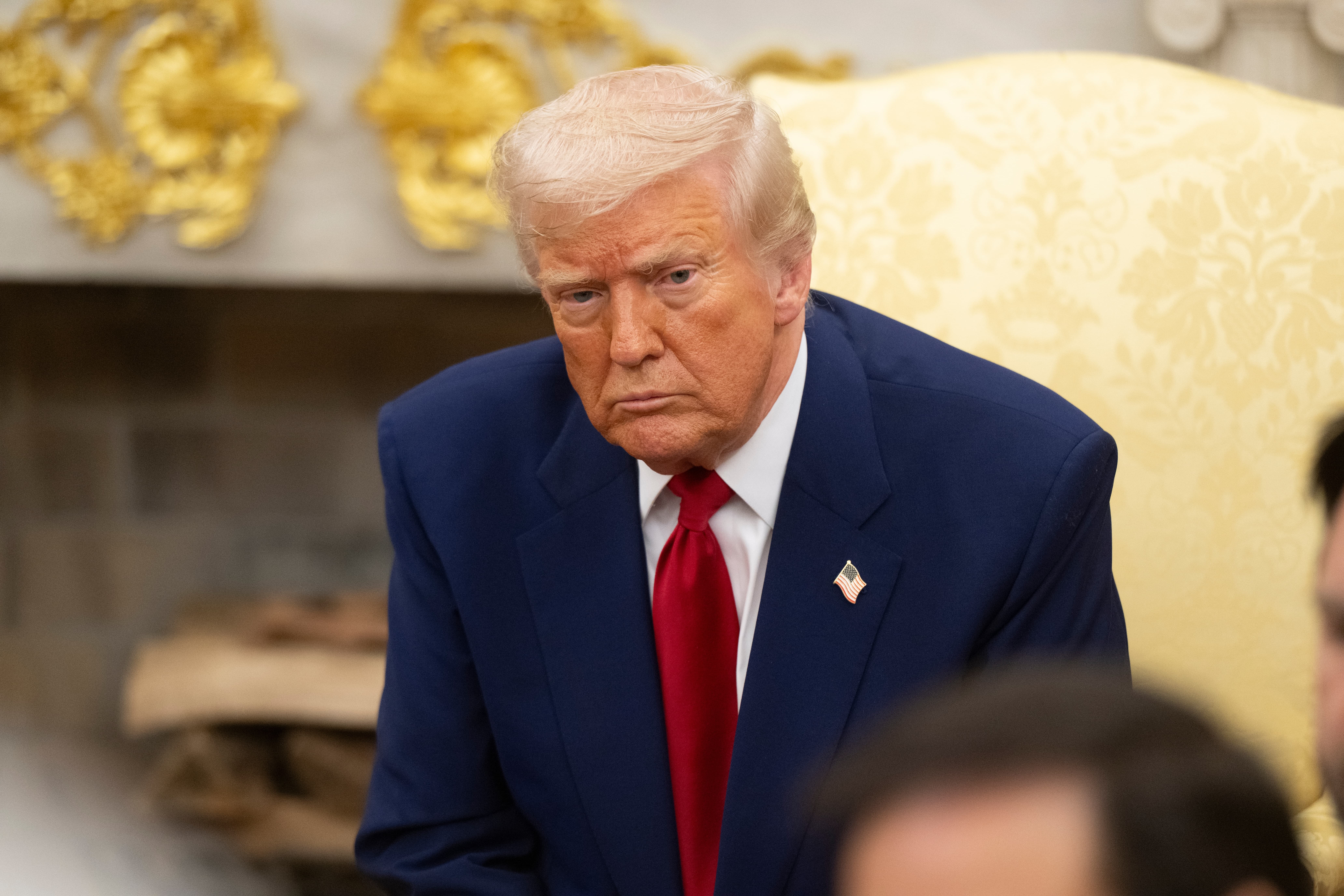
US President Donald Trump and Chinese leader Xi Jinping met for the first time in six years, renewing hopes of a thaw between the world’s two largest economies. Trump described the talks in South Korea as “amazing,” while Beijing said both leaders had reached a consensus to address “major trade issues.” Relations have been tense since Trump imposed sweeping tariffs on Chinese imports, triggering strong retaliation from Beijing. Although a brief truce was reached in May, mistrust persisted.
The latest meeting produced no formal trade agreement, but both sides hinted at progress. Behind the scenes, negotiators have spent months working to bridge differences on long-standing disputes. Trade deals typically take years to complete, yet Trump’s aggressive use of tariffs has forced countries to respond quickly. Many of those affected are in Asia, where Trump has spent the past week pursuing new economic openings.
Beijing loosens rare earth limits and restarts US farm imports
China agreed to lift export restrictions on rare earth minerals vital for manufacturing smartphones, electric vehicles, and fighter jets. The move was seen as a key win for Trump. Speaking aboard Air Force One, he said China would immediately begin purchasing “tremendous amounts of soybeans and other farm products.” Beijing’s tariffs had halted US soybean imports, badly hurting American farmers — one of Trump’s most loyal constituencies.
US Treasury Secretary Scott Bessent said China would buy 12 million metric tonnes of soybeans this season and at least 25 million tonnes annually for the next three years. After the meeting, Washington also confirmed it would ease certain tariffs on ingredients used to produce fentanyl, a drug Trump has accused China, Canada, and Mexico of allowing into the US.
Sean Stein, president of the US-China Business Council, said the progress on rare earths and tariffs was the most significant outcome of the talks. He explained that the developments offer businesses more certainty to work with both governments on long-term trade issues. However, many tariffs remain, leaving US importers paying more than 40 percent in taxes on Chinese goods.
For Beijing, the meeting brought some diplomatic openings. Trump revealed that Xi would soon hold discussions with Jensen Huang, head of US chip maker Nvidia. The company lies at the center of the global fight over artificial intelligence technology. China seeks access to advanced processors, while Washington continues to restrict exports on security grounds. Xi also invited Trump to visit China in April, signaling improved relations. Yet, there was no movement on the dispute over TikTok, which remains under US scrutiny.
Xi projects calm while Trump pushes for results
The talks exposed a sharp contrast in leadership style. Xi remained calm and disciplined, sticking to carefully prepared remarks. China entered the meeting from a position of confidence, having reduced its economic reliance on the US and expanded trade partnerships elsewhere. After the talks, Xi said both nations would focus on outcomes that act as a “reassuring pill” for their economies.
Trump, by contrast, appeared tense and more cautious than during earlier stops on his Asia tour. The meeting lacked the grandeur of previous visits. Instead of lavish palaces and military bands, the talks took place in a guarded airport building surrounded by police and reporters. Despite the modest setting, the 80-minute exchange became the most important moment of Trump’s trip.
Henry Wang, a former adviser to China’s State Council, said the discussions “went very well.” While no trade deal was finalized, he said both sides had established “a framework and structure” for future negotiations. He called the outcome “a good start” toward restoring one of the world’s most vital and contested economic relationships.