

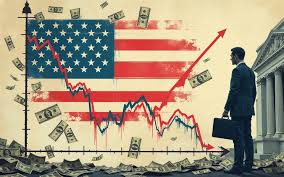
The U.S. economy grew at an annualized rate of 3.8% in the second quarter of 2025, marking the fastest pace in almost two years. This surge reflects strong consumer activity and a sharp rise in investments in technology and intellectual property.
Consumer spending, a key driver of the economy, rose 2.5% in Q2, exceeding earlier predictions. Americans increased purchases across multiple sectors, including retail, travel, and digital services. This robust spending helped fuel broader economic expansion and supported a positive outlook for the remainder of the year.
Investments in intellectual property jumped 15%, the highest since 1999. Software development and artificial intelligence projects led this growth. Businesses increased spending on AI-driven tools, cloud computing, and digital platforms, signaling confidence in long-term technological growth. Analysts say this shows the economy is adapting rapidly to innovation trends.
The combination of strong consumer demand and technology investment helped offset global uncertainties. Despite challenges like rising energy prices and international market fluctuations, U.S. businesses and households remained active, pushing the economy forward.
Experts note that the growth reflects more than short-term gains. The increase in AI and software investments suggests long-term productivity improvements, which can support sustained economic expansion. Businesses are also reporting higher hiring in tech and services, further boosting household income and spending.
Government data highlights that the services sector contributed significantly to Q2 growth. Health care, finance, and information services saw notable increases. In manufacturing, output rose modestly, while construction activity remained steady, supported by ongoing infrastructure projects.
Economic analysts are optimistic about continued growth. Consumer confidence remains high, and corporate investments are expected to maintain momentum. “This is a clear signal that the U.S. economy is resilient and innovative,” one expert said.
The labor market also played a role in supporting spending. Wage growth continued to rise moderately, giving consumers more disposable income. Low unemployment and strong job creation helped sustain household confidence, allowing for increased purchases and investment in services and technology.
Exports and international trade contributed positively but at a slower pace. While global demand remains steady, domestic factors were the main drivers of the Q2 growth surge. Analysts predict that ongoing investment in AI and software will continue to shape the U.S. economic landscape.
Policy makers view these trends as encouraging. With sustained consumer demand and strong technology investments, the economy shows resilience against potential headwinds. The focus now is on maintaining growth while addressing inflation and ensuring stable markets.
In conclusion, the U.S. economy’s 3.8% growth in Q2 2025 underscores the strength of consumer spending and technological investments. The surge reflects both short-term momentum and long-term structural improvements, positioning the economy for continued expansion in the months ahead.