

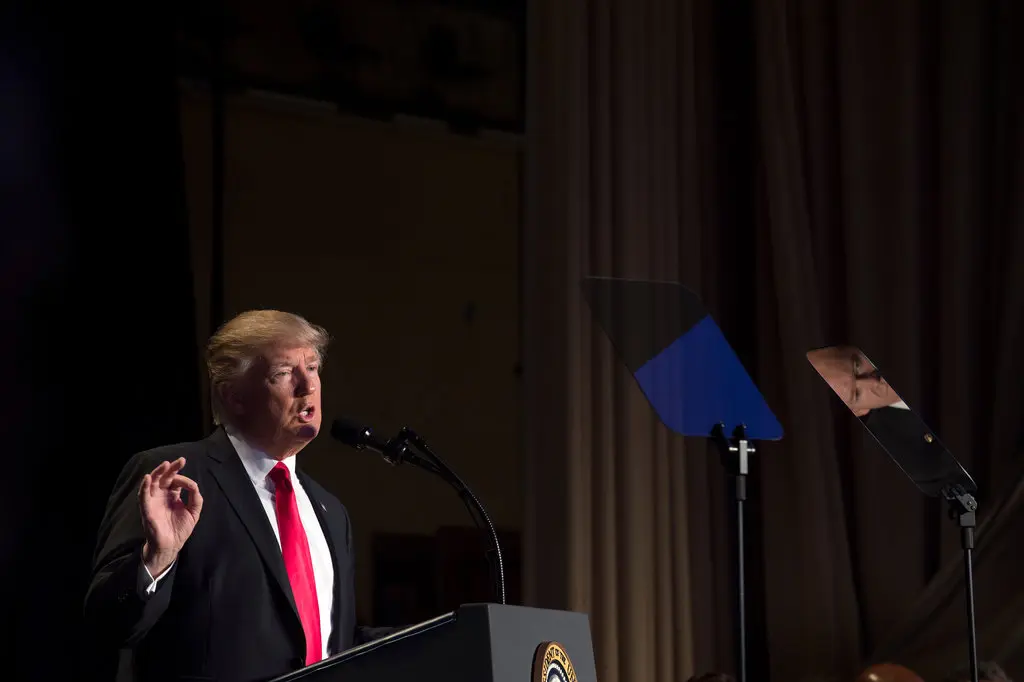
The United States has reversed a long-standing ban preventing churches from endorsing political candidates, a move aimed at rewarding loyal evangelical supporters. Former President Donald Trump has set up a special task force to push this policy change, raising questions about its potential impact on American politics.
The new rule allows religious organizations to openly support or oppose candidates without risking their tax-exempt status. Critics warn that this may blur the line between religion and politics, giving certain groups disproportionate influence during elections. Supporters argue that it strengthens free speech rights for religious communities, allowing them to participate more actively in political discourse.
While the policy shift is celebrated by many evangelicals, some analysts caution that it could backfire. Increased political involvement by churches may alienate moderate voters or minority communities, creating deeper divisions within American society. Historically, religious endorsements have shaped election outcomes, and this change could amplify that trend.
The decision also signals a broader strategy to mobilize conservative voters in upcoming elections. Political observers note that faith-based groups often have strong networks and dedicated members, making them a powerful tool for political campaigns. With the ban lifted, these networks can now engage in more explicit political advocacy.
Meanwhile, in Australia, efforts to strengthen multicultural ties are facing challenges. Federal authorities are working to improve relations with communities that feel underrepresented or misunderstood. Recently, remarks by Liberal senator Jacinta Nampijinpa Price sparked criticism from parts of the Indian community. Observers say conservative politicians risk overlooking the importance of these groups in shaping social and political outcomes. Building trust with multicultural populations remains a critical task for policymakers who want to maintain national cohesion.
Australian universities are also facing scrutiny over their purpose and governance. Many institutions are struggling with funding shortfalls, administrative challenges, and debates about their role in society. Are universities simply producing graduates to fuel the economy, or should they focus on fostering critical thinking and societal change? Experts argue that a balance between economic contribution and intellectual development is essential to ensure that higher education serves both national interests and the broader public good.
The interplay between politics, religion, and education highlights ongoing global debates. In the US, the removal of the church endorsement ban could influence voter behavior and campaign strategies for years to come. In Australia, the focus on multicultural engagement and university reform reflects broader concerns about inclusivity, governance, and the role of institutions in shaping society. Both nations face complex questions about how policies affect diverse communities and democratic processes.
As these developments unfold, citizens and leaders alike are watching closely. In the US, religious organizations now have greater freedom to shape political discourse, while Australian policymakers must navigate multicultural sensitivities and educational reforms. Both scenarios underscore the delicate balance between individual rights, institutional responsibilities, and the public interest.
The changes in US church policy, combined with ongoing debates in Australia, demonstrate how political, social, and educational reforms are interconnected. These shifts will likely influence public opinion, voting patterns, and institutional priorities in the years ahead. Observers agree that careful management and open dialogue are key to ensuring that policy changes benefit society as a whole rather than deepening divisions.