

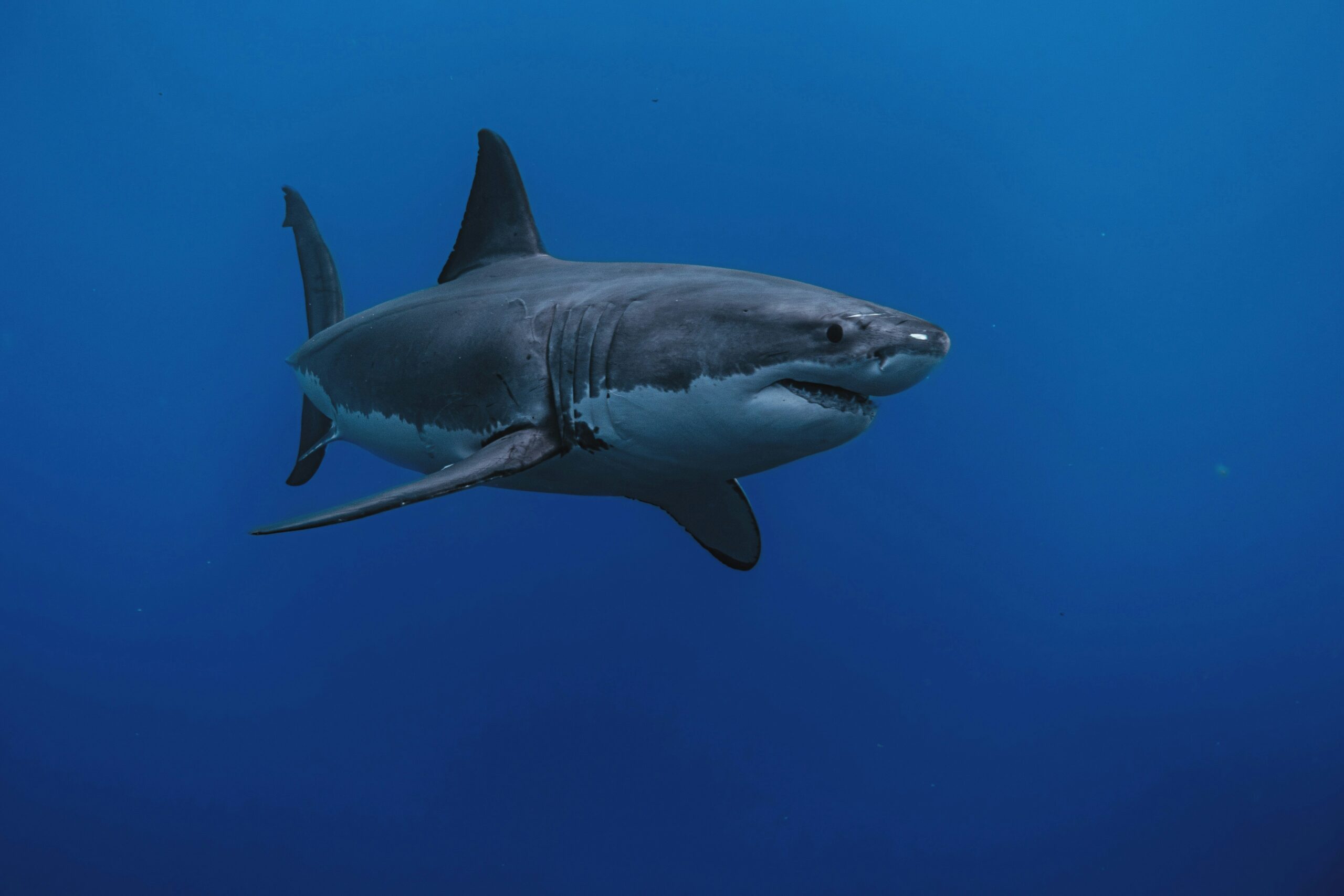
A new study suggests that ocean acidification may erode shark teeth, potentially undermining their ability to feed and threatening marine ecosystem stability. Sharks naturally lose and replace teeth in rows, but more acidic oceans could accelerate tooth damage faster than replacement rates allow.
Researchers tested 60 naturally shed teeth from blacktip reef sharks in tanks simulating current ocean pH (8.1) and projected future levels (7.3). After eight weeks, the teeth in acidic water suffered double the damage, including root corrosion and altered serrations. Lead author Maximilian Baum, from Heinrich Heine University, warned that this could hinder sharks’ hunting efficiency, especially for species with slower tooth replacement.
Ocean acidification, driven by rising CO2 emissions, has already been shown to damage shells, corals and mussels. Sharks face additional stress from overfishing, and losing their vital weapon could have cascading effects on ecosystems.
While researchers say sharks may adapt by boosting tooth replacement or repair, experts such as Lisa Whitenack note that further studies must test whether corroded teeth actually reduce feeding ability. For now, the findings highlight another pressing consequence of unchecked CO2 emissions on marine life.